When I decided to give my bathroom a French country feel, I didn’t expect flooring to make such a difference. But once I started looking into options, I realized the right floor could tie everything together, from the soft color palette to the rustic details. I ended up going with vinyl, and it surprised me in the best way. It was budget-friendly, easy to maintain, and came in styles that fit perfectly with the warm, relaxed charm I was aiming for.
Waterproof Vinyl for Busy Bathrooms
One thing I learned early on is that bathrooms and water go hand in hand, so waterproof flooring was non-negotiable. Vinyl checked that box beautifully. I remember walking into the store expecting limited designs, but the selection was huge. I found planks that looked like aged oak, with just the right amount of weathered texture to feel like something you’d see in a French farmhouse. The best part was knowing I didn’t have to worry about water spills or damp mornings.
The waterproof quality came in handy sooner than I thought. One evening, my toddler turned bath time into a splash zone and I found water across half the room. I mopped it up without panic, grateful the floor wouldn’t warp or stain. That peace of mind is worth every penny, especially in a space that sees daily moisture. It’s also reassuring to know that it holds up well during steamy showers.
I also love that waterproof vinyl doesn’t just protect against spills; it keeps the subfloor safe too. In older homes, like mine, avoiding water damage is a big priority. Some waterproof vinyl options even have a built-in underlayment, which adds comfort underfoot and a little extra insulation against the chill in cooler months.
Luxury Vinyl Tiles with Stone Inspiration
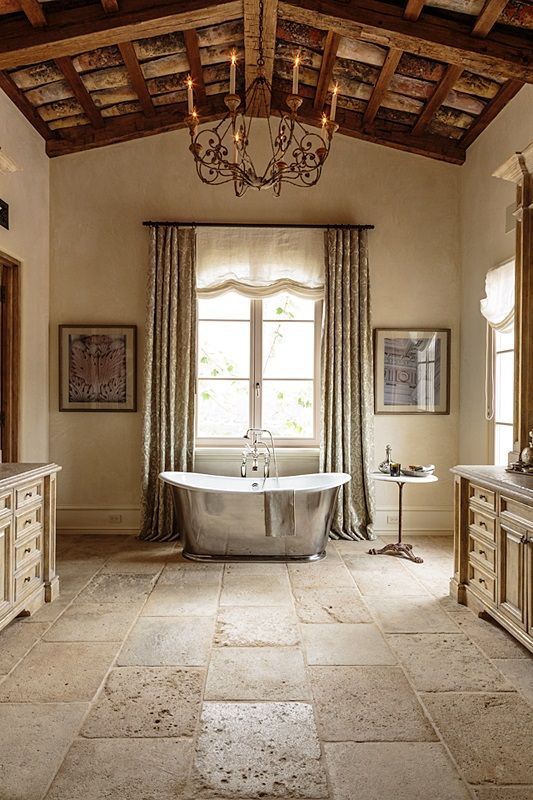
For a softer, romantic feel, I considered luxury vinyl tiles that mimic stone. There’s something about the look of limestone or travertine that screams French country elegance. I was amazed at how realistic they looked, right down to the subtle color variations and textures. Best of all, they didn’t have the cold, hard feel of real stone.
Installing these tiles was straightforward, which made them tempting for a weekend project. I laid a few samples on the floor to see how they’d look against my whitewashed cabinetry, and they worked beautifully. The muted, creamy tones complemented the warm neutrals in the rest of the room without making it feel too formal. That’s something I love about the French country style: it’s refined yet approachable.
Another win with vinyl stone looks is the ease of maintenance. Real stone can require sealing and special cleaning products, but with vinyl, a simple sweep and mop routine keeps it looking fresh. The surface is stain-resistant, which means I can enjoy that rustic charm without the high-maintenance commitment.

Wood-Look Planks for Rustic Warmth
One of my favorite discoveries was luxury vinyl planks that look exactly like reclaimed barnwood. In a French country bathroom, wood tones add instant warmth and character. I chose a style with soft gray and honey undertones, which paired well with my vintage-inspired fixtures and floral textiles.
Wood-look vinyl gave me the charm of timber without the worry about moisture damage. Traditional hardwood just doesn’t fare well in bathrooms, but vinyl mimics the look beautifully while staying practical. I could even run the same flooring into the adjoining bedroom for a seamless transition.
Another thing I appreciate is how comfortable these planks are underfoot. They have a slight cushioning that makes standing for long stretches—like when I’m getting ready in the morning—much more pleasant. Plus, the textured surface adds grip, which is helpful in preventing slips.

Patterns and Decorative Layouts
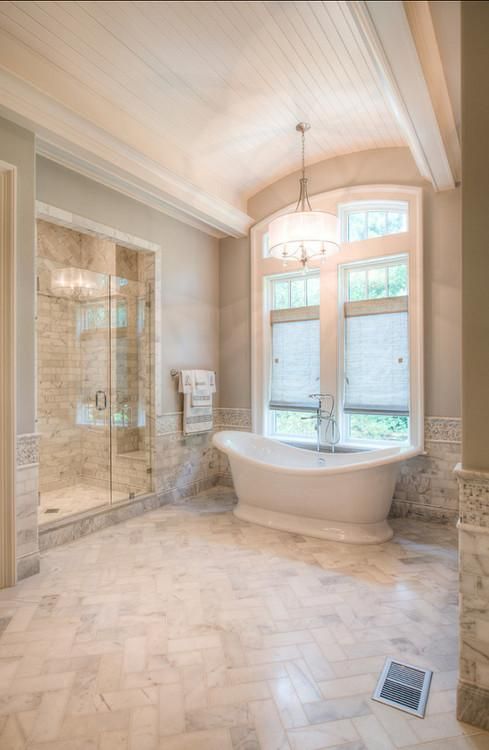
French country style thrives on thoughtful details, so I played around with patterns when planning my floor. Vinyl makes it easy to experiment with layouts like herringbone or checkerboard without the cost and hassle of real tile. Even small bathrooms can benefit from a patterned floor, as it adds interest without overwhelming the space.
I ended up using a subtle herringbone pattern with wood-look planks. It gave the room movement and personality while keeping the palette soft and cohesive. It’s amazing how a simple shift in layout can transform the feel of a room. Guests have even commented on how unique it looks, not realizing it’s vinyl until I tell them.
If you’re nervous about patterns looking too busy, try sticking to soft, neutral tones. That way, you get the visual texture without competing with other design elements like ornate mirrors or patterned wallpaper. Vinyl’s flexibility means you can adjust the layout without breaking the bank if you change your mind later.
DIY-Friendly Installation
One of the biggest reasons I love vinyl is how approachable it is for a DIY project. I installed my bathroom floor over a weekend with just a few basic tools, and it gave me such a sense of accomplishment. The click-lock planks fit together easily, and cutting them to size was straightforward.
Starting with a clean, level subfloor is key. I prepped mine by removing old tile and smoothing out imperfections. Once the planks were in, I added simple baseboard trim to finish the look. Knowing I had a professional-looking floor without the cost of a contractor was incredibly satisfying.
The light weight of vinyl makes handling and maneuvering pieces much easier than ceramic or stone. It’s forgiving too—if you make a mistake, you can usually re-position a plank without damaging it. That flexibility was a lifesaver during installation.
Budget-Friendly Choices without Sacrificing Style
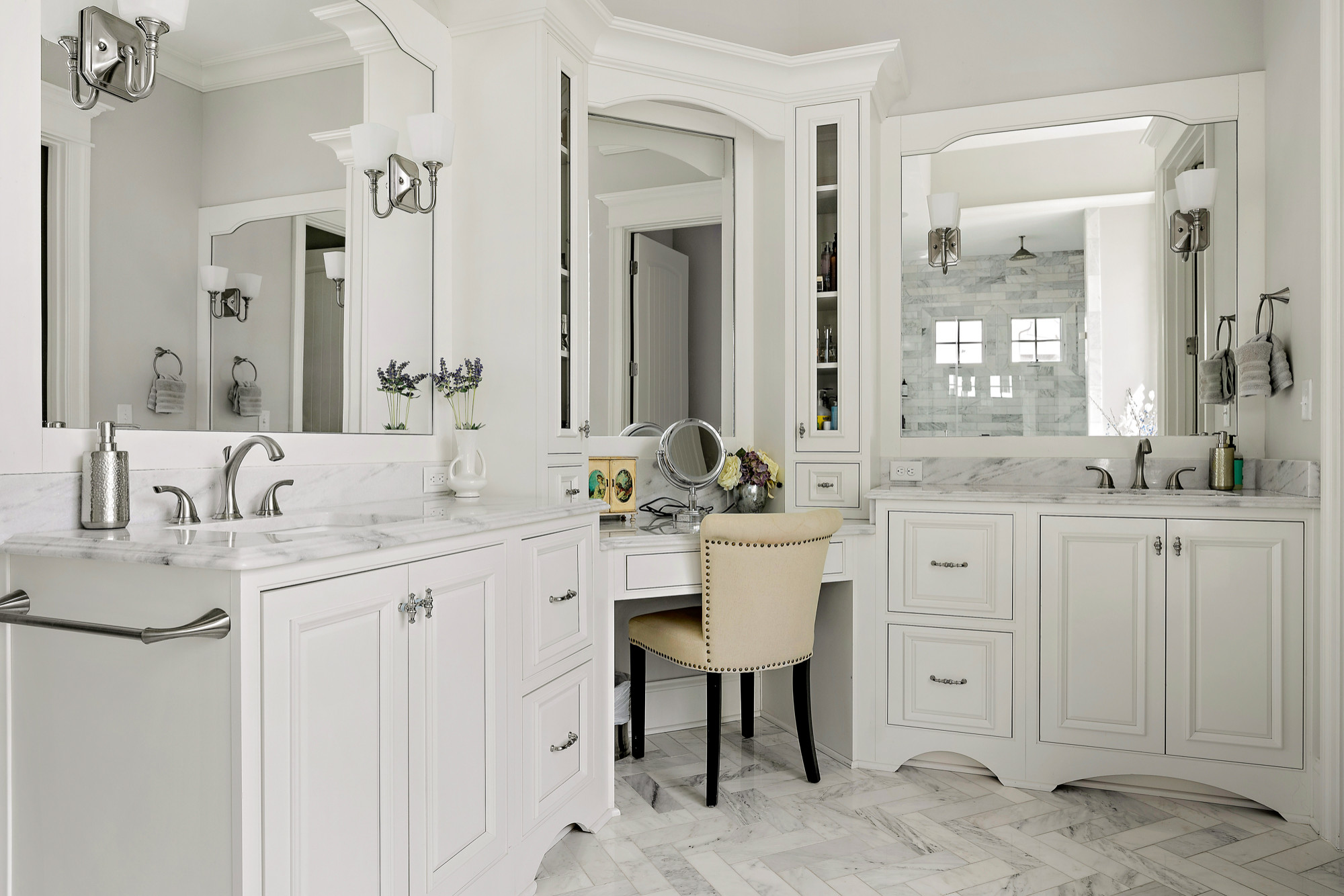
Renovations can add up fast, but vinyl allowed me to keep costs in check while still getting the French country look I wanted. Compared to real hardwood or stone, the savings were significant. This meant I could splurge on other features, like an antique-style vanity and a clawfoot tub.
What I liked most was that I didn’t have to compromise on appearance to stick to my budget. Friends have genuinely thought my floor was reclaimed wood or natural stone, which makes me smile. It shows you can create a high-end look on a realistic budget.
Vinyl also holds its beauty over time, so I know I won’t be replacing it anytime soon. That makes it not only affordable upfront, but cost-effective in the long run.

Is vinyl flooring waterproof for bathrooms?
Yes, I’ve found it to be completely reliable in wet conditions. My bathroom floor handles splashes, spills, and steam without warping or staining. It’s one of the main reasons I chose it over traditional materials that struggle with moisture.
How much does vinyl flooring cost compared to tile or wood?
It’s generally far more affordable. I was able to cover my entire bathroom for a fraction of the price of hardwood or stone tile, which freed up budget for other features.
How long will vinyl flooring last?
With proper care, I expect mine to last well over a decade. I’ve seen high-quality vinyl hold up beautifully in busy households, even with kids and pets.
Is vinyl safe for pets and kids?
Absolutely. It’s scratch-resistant, comfortable underfoot, and easy to clean. Plus, it’s softer than ceramic or stone, so it’s gentler if little ones take a tumble.

Can I install vinyl flooring myself?
Yes, and I did! Click-lock vinyl planks are DIY-friendly, and the process is manageable with basic tools. Taking your time on prep makes all the difference.
How do I clean vinyl bathroom floors?
I use a soft broom for daily dust and a damp mop for deeper cleaning. It doesn’t require harsh chemicals or special products, which makes upkeep simple.
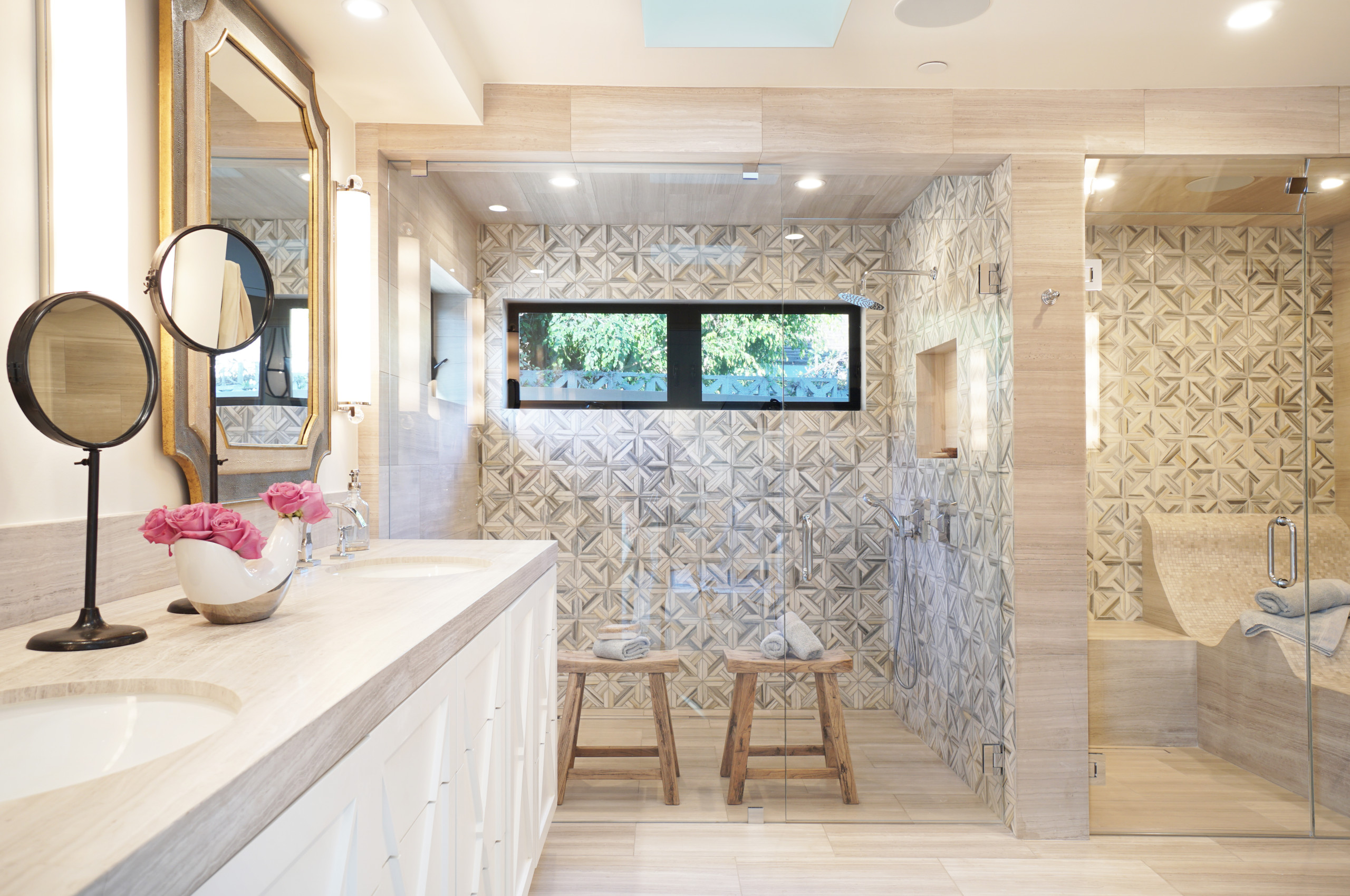
75 French Country Gray Tile Bathroom Ideas Youu0027ll Love – January
French Cottage Bathroom Renovation- Reveal Country bathroom

Related Posts: