Living in compact spaces has taught me that small kitchens demand creative solutions and strategic planning. Over the years, I’ve redesigned three tiny kitchens, each teaching me valuable lessons about maximizing every square foot. The secret lies in understanding how different layouts can transform cramped quarters into functional, beautiful spaces that feel larger than their measurements suggest. Smart floor plans can make even the tiniest kitchen work efficiently for your lifestyle.
The Galley Kitchen Layout
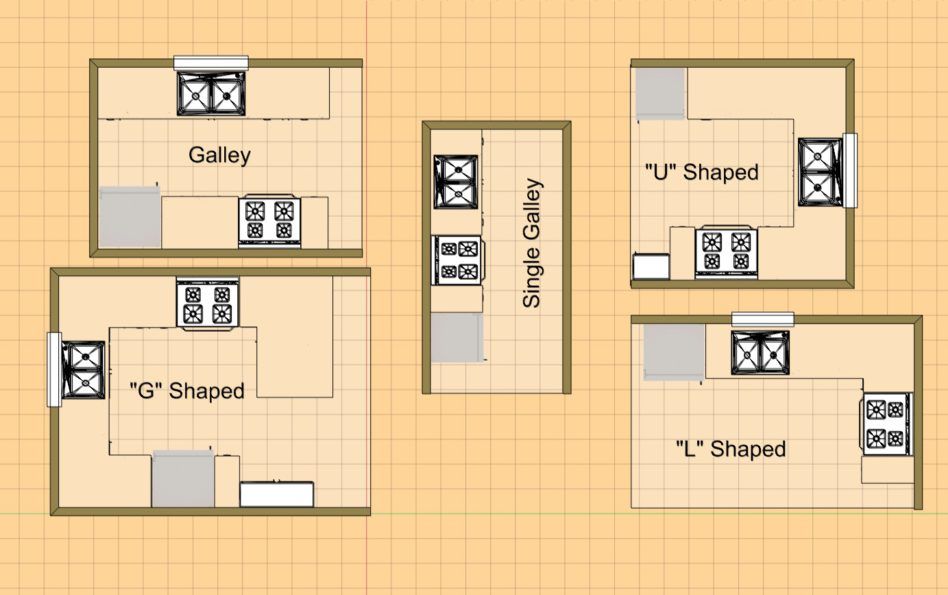
I’ve found that galley kitchens work exceptionally well in narrow spaces, creating an efficient corridor between two parallel countertops. This layout maximizes storage and workspace while maintaining clear traffic flow through the kitchen. The key is keeping the walkway at least 36 inches wide to prevent feeling cramped while cooking or when multiple people need access to the space simultaneously.
My first galley kitchen taught me the importance of placing the sink and stove on opposite sides to create a natural work triangle. This arrangement prevents conflicts when preparing meals and allows for smooth movement between major appliances. I positioned the refrigerator at one end, creating a logical progression from storage to prep to cooking that streamlined my daily cooking routines.
Lighting becomes crucial in galley layouts since the narrow space can feel tunnel-like without proper illumination. I installed under-cabinet LED strips to brighten work surfaces and added pendant lights over the central walkway. These choices opened up the space visually while providing functional task lighting that made food preparation safer and more enjoyable during evening hours.
L-Shaped Configuration Benefits
The L-shaped layout has become my preferred choice for small kitchens because it efficiently uses corner space while maintaining an open feel. This configuration works particularly well in studio apartments or open-plan homes where the kitchen needs to blend seamlessly with living areas. The perpendicular countertops create natural zones for different activities without requiring additional square footage.
I love how L-shaped kitchens provide opportunities for creative storage solutions in the corner area. Installing lazy Susans or pull-out corner drawers transforms what could be dead space into highly functional storage. The corner also makes an excellent location for the sink, positioning it away from high-traffic areas while maintaining easy access to both counter sections.
This layout naturally accommodates a breakfast bar or peninsula extension, adding casual dining space without requiring a separate dining area. In my current L-shaped kitchen, I extended one leg of the “L” to create a small eating counter that doubles as additional prep space. This modification increased both functionality and social interaction while cooking for friends and family.

U-Shaped Kitchen Advantages
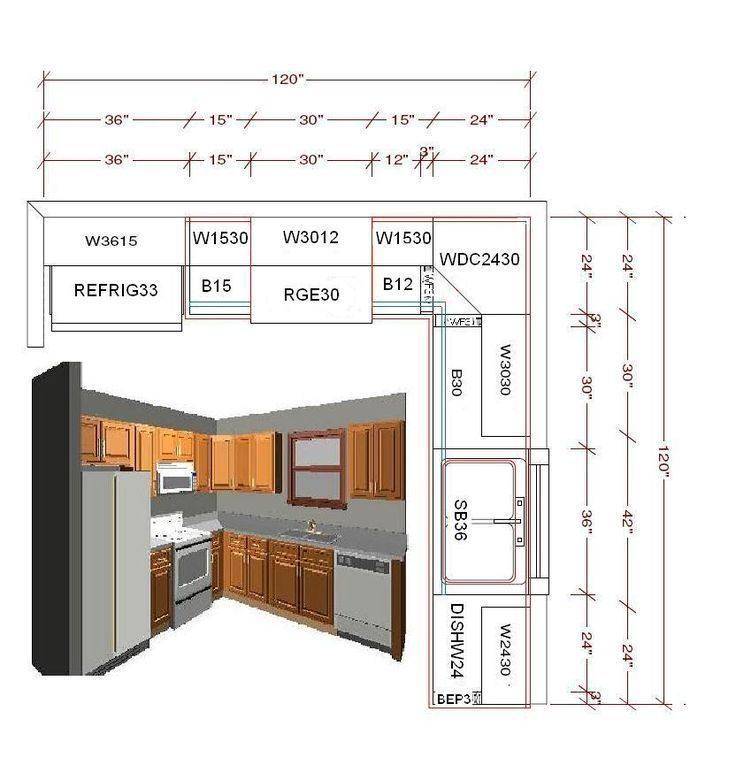
U-shaped kitchens offer maximum storage and counter space within a compact footprint, surrounding you with everything needed for efficient cooking. I initially worried this layout might feel confining, but proper planning creates a cozy, efficient workspace that keeps all essentials within arm’s reach. The three-wall configuration works especially well for serious home cooks who need extensive prep and storage areas.
The beauty of U-shaped layouts lies in their natural work triangle efficiency, with sink, stove, and refrigerator positioned optimally for smooth workflow. I placed my sink at the base of the “U” with the stove and refrigerator on opposite arms, creating short distances between major appliances. This arrangement minimizes unnecessary steps while cooking complex meals or entertaining guests.
Corner storage solutions become even more critical in U-shaped kitchens due to the dual corner configuration. I invested in quality corner cabinet hardware including swing-out shelves and rotating organizers that maximize accessibility. These solutions transformed potentially awkward corners into some of my most useful storage spaces for pots, pans, and bulk ingredients.
Single Wall Kitchen Solutions
Single wall kitchens challenge conventional wisdom but can work beautifully in extremely tight spaces or studio apartments. I designed one for a 200-square-foot space, arranging all appliances and storage along one wall while maintaining an open, uncluttered feeling. The key lies in vertical thinking, using every inch from floor to ceiling for storage and functionality.
Appliance selection becomes crucial in single wall layouts since horizontal space is severely limited. I chose a compact refrigerator, apartment-sized range, and single-bowl sink to maximize counter space between appliances. Counter-depth appliances help maintain a streamlined appearance while providing necessary functionality without protruding awkwardly into the room.
Storage creativity reaches new heights in single wall kitchens, requiring innovative solutions for adequate capacity. I installed floor-to-ceiling cabinets, open shelving, and magnetic strips for knives and spices. Pull-out pantry units, over-the-range microwaves, and under-cabinet storage systems helped create surprising capacity within the linear arrangement.
Island and Peninsula Integration
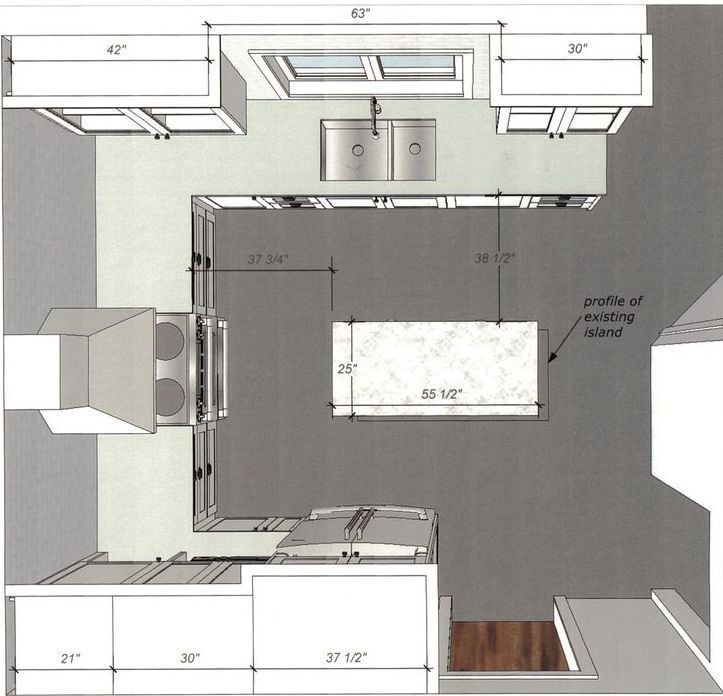
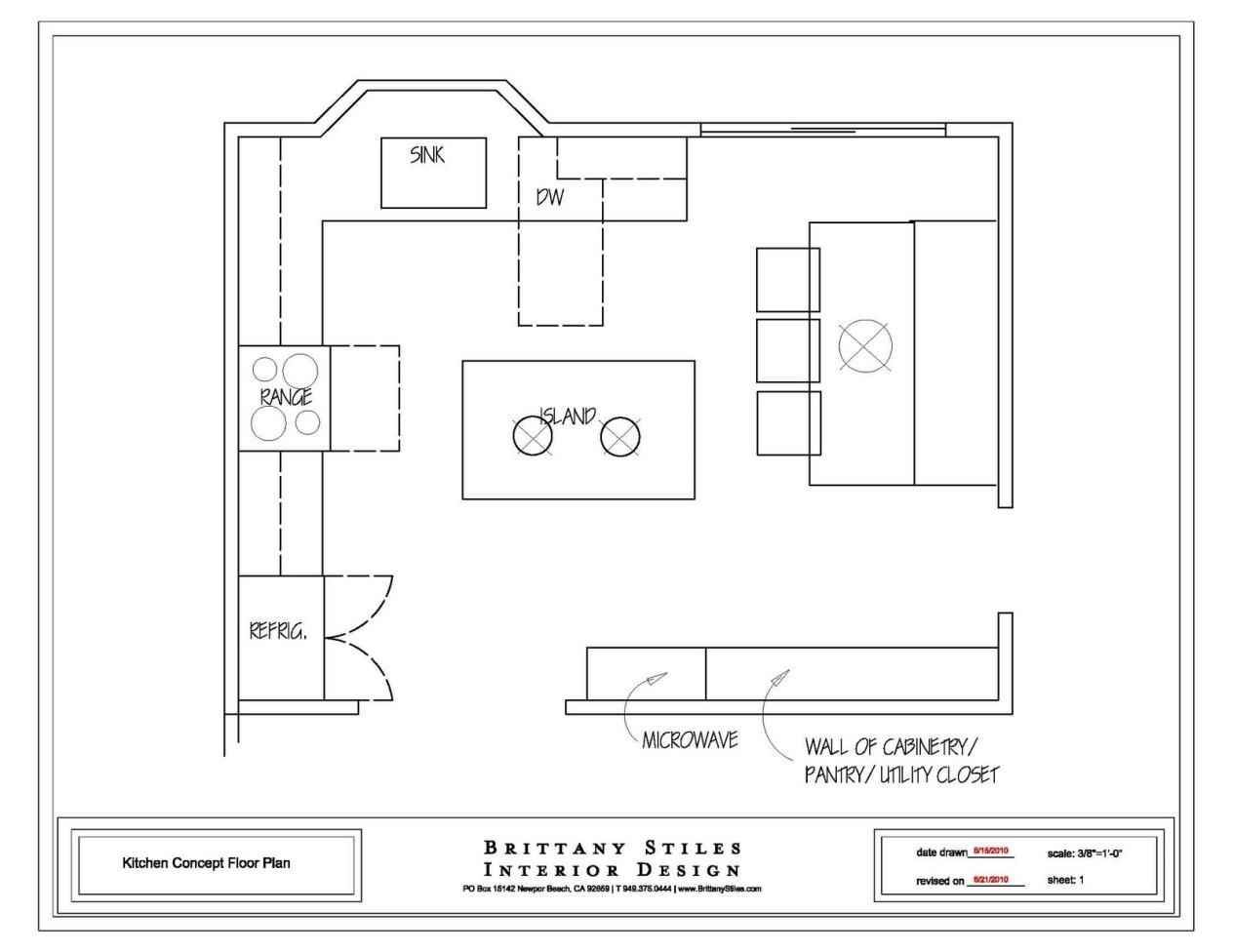
Adding islands or peninsulas to small kitchens requires careful consideration of traffic flow and proportional sizing. I’ve successfully incorporated compact islands in kitchens as small as 120 square feet by choosing narrow designs that provide additional storage and prep space without overwhelming the room. The key is maintaining at least 36 inches of clearance on all sides for comfortable movement.
Peninsulas often work better than islands in truly small spaces because they connect to existing cabinetry without requiring additional floor space. My current peninsula houses the dishwasher and provides extra seating while defining the kitchen boundary in an open floor plan. This solution added functionality without sacrificing precious square footage or disrupting traffic patterns.
Mobile kitchen carts offer island functionality with flexibility to move or remove them as needed. I keep a narrow cart that serves as extra prep space during cooking but rolls away when entertaining large groups. This approach provides the benefits of an island while maintaining the option to maximize open floor space when necessary for special occasions or different room configurations.

Maximizing Vertical Space
Vertical storage solutions have revolutionized how I approach small kitchen design, turning unused wall space into valuable storage and display areas. I extend cabinets to the ceiling, install open shelving systems, and use magnetic strips and hooks to keep frequently used items accessible yet organized. These strategies create storage capacity that rivals much larger kitchens when implemented thoughtfully.
Ceiling-height cabinets initially seemed overwhelming, but lighter colors and glass-front doors prevent them from feeling oppressive. I store seasonal items and rarely used appliances in upper areas while keeping daily essentials at comfortable heights. This approach maximizes storage capacity while maintaining an organized, uncluttered appearance that makes the space feel larger and more open.
Wall-mounted fold-down tables, pull-out cutting boards, and swing-up appliance garages add functionality without consuming permanent floor or counter space. I installed a fold-down table that serves as extra prep space when cooking large meals but disappears completely when not needed. These clever solutions prove that small kitchens can be just as functional as larger spaces with creative thinking.
What is the minimum size needed for a functional small kitchen layout?
I’ve successfully designed functional kitchens in spaces as small as 50 square feet, though 70-80 square feet provides more comfort and flexibility. The key is prioritizing essential functions and choosing appropriately sized appliances. Compact appliances, vertical storage, and multi-functional elements allow even tiny spaces to handle basic cooking needs effectively while maintaining reasonable workflow and storage capacity.
How do I choose between galley, L-shaped, or U-shaped layouts for my small kitchen?
Your room shape and lifestyle needs determine the best layout choice. Narrow rectangular spaces work best with galley layouts, while square or slightly rectangular rooms suit L-shaped configurations. U-shaped layouts require at least 8×8 feet but offer maximum storage and counter space. Consider your cooking habits, storage needs, and how the kitchen connects to adjacent rooms when making this important decision.

Can I fit an island in a kitchen smaller than 150 square feet?
Yes, but it requires careful planning and potentially a narrow or mobile design. I recommend minimum dimensions of 10×12 feet for a permanent island, maintaining 36-inch clearances. Compact islands (24-30 inches wide) can work in smaller spaces, while mobile carts offer island benefits with flexibility. Consider your traffic patterns and whether the island enhances or hinders your kitchen workflow before committing to permanent installation.
What storage solutions work best in small kitchen floor plans?
Vertical storage maximizes capacity in small kitchens through ceiling-height cabinets, wall-mounted shelves, and magnetic organizers. Pull-out drawers, lazy Susans, and corner solutions optimize cabinet interiors. I prioritize multi-functional storage like ottomans with interior space, fold-down tables, and appliance garages. Every surface should serve multiple purposes, from toe-kick drawers to over-sink cutting boards that maximize functionality.

How can I make my small kitchen feel larger while maintaining functionality?
Light colors, reflective surfaces, and strategic lighting create openness in small kitchens. I use glass-front cabinets, mirrors, and glossy finishes to bounce light around the space. Consistent flooring flowing into adjacent areas eliminates visual boundaries. Open shelving feels less heavy than closed cabinets, while pendant lights draw the eye upward. These design choices create perceived spaciousness without sacrificing practical storage and workspace.
Should I prioritize counter space or storage in my small kitchen layout?
Balance is essential, but I typically lean toward maximizing counter space since you can add portable storage solutions more easily than expand work surfaces. Aim for at least 24 inches of continuous counter space beside your sink and 18 inches on each side of your stove. Creative storage solutions like wall-mounted racks, ceiling pot hangers, and pull-out organizers can compensate for limited cabinet space while maintaining essential prep areas.

Small Kitchen Design Layout 8X8 : 50+ Small Kitchen Design Ideas – Decorating Tiny Kitchens

Detailed All-Type Kitchen Floor Plans Review – Small Design Ideas
Small Kitchen Design Plans – HYDS CARL TATE BLOG’S

Related Posts:
- Small Kitchen Floor Plan Ideas
- Laminate Flooring In Kitchen
- Black Slate Tile Kitchen Floor
- How To Lay Tile In Kitchen Floor
- Red Kitchen Floor
- Cheap Kitchen Laminate Flooring
- Decorative Kitchen Floor Mats
- Contemporary Kitchen Flooring Ideas
- Kitchen Ceramic Tile Floor
- Quarry Tile Kitchen Floor
# Small Kitchen Floor Plan Ideas
Having a small kitchen can be a challenge when it comes to planning out the ideal floor plan. But with some careful thought and creative ideas, it’s possible to make an efficient and attractive kitchen that is both stylish and functional. Here are some small kitchen floor plan ideas that can help you maximize your space and make the most of your kitchen.
## Maximizing Vertical Space
One of the best ways to create a functional small kitchen floor plan is by maximizing the vertical space. Installing taller cabinets and wall-mounted shelves can create more storage space without taking up too much horizontal room. You can also hang decorative items on walls to create an attractive display without taking up countertop space.
## Using Multifunctional Appliances
To maximize efficiency in a small kitchen, consider using appliances that serve multiple purposes. A combination oven/microwave, for example, can be a great way to save countertop space without sacrificing functionality. Similarly, a refrigerator with an ice maker or a dishwasher with built-in storage shelves can be great options for small kitchens.
## Installing a Center Island
If your kitchen is big enough, you may want to consider installing a center island. This can provide extra counter space as well as additional storage options. You can also use the island as a dining area or as a prep area for cooking. Many islands also come with wheels, so you can move it around if needed.
## Utilizing Corner Space
The corners of a small kitchen are often overlooked, but they can be great places to store items that don’t need to be used often. For example, you could install corner shelves or mount an L-shaped shelf unit in the corner for extra storage space. You could also use the corner for additional counter space by installing an angled countertop or butcher block table.
## Opting for Open Shelving
Open shelving is becoming increasingly popular in kitchens of all sizes, and it’s perfect for a small kitchen. Not only does open shelving look attractive, but it also makes it easier to access items without having to rummage through cabinets and drawers. You can use wall-mounted shelves for dishes and spices or opt for floating shelves for cookbooks and other items that need to be easily accessible.
## Installing Pull-Out Drawers
Pull-out drawers are great for storing items like spices, canned goods, and other kitchen essentials that may otherwise get lost in cabinets and drawers. Pull-out drawers also make it easier to access items since they are mounted on slides that allow them to slide out of the cabinet with ease. You can also install pull-out drawers on the sides of your refrigerator or above the sink for additional storage space.
Creating an efficient, stylish small kitchen floor plan doesn’t have to be difficult. With some careful planning and creative ideas, you can make the most of your space while still keeping your kitchen looking good. Remember, no matter how small your kitchen is, there are always ways to maximize its potential and make it look its best!