Hardwood floors bring a timeless elegance to any home, offering a warm and natural look that can last for decades with proper care. However, keeping them clean and well-maintained can be a challenge if you don’t know the right techniques. Over time, dirt, dust, and grime can build up, dulling the beauty of your floors. Let me share some of the best hardwood floor cleaning tips that I’ve personally found helpful in keeping my floors looking as good as new.
Regular Sweeping and Dusting
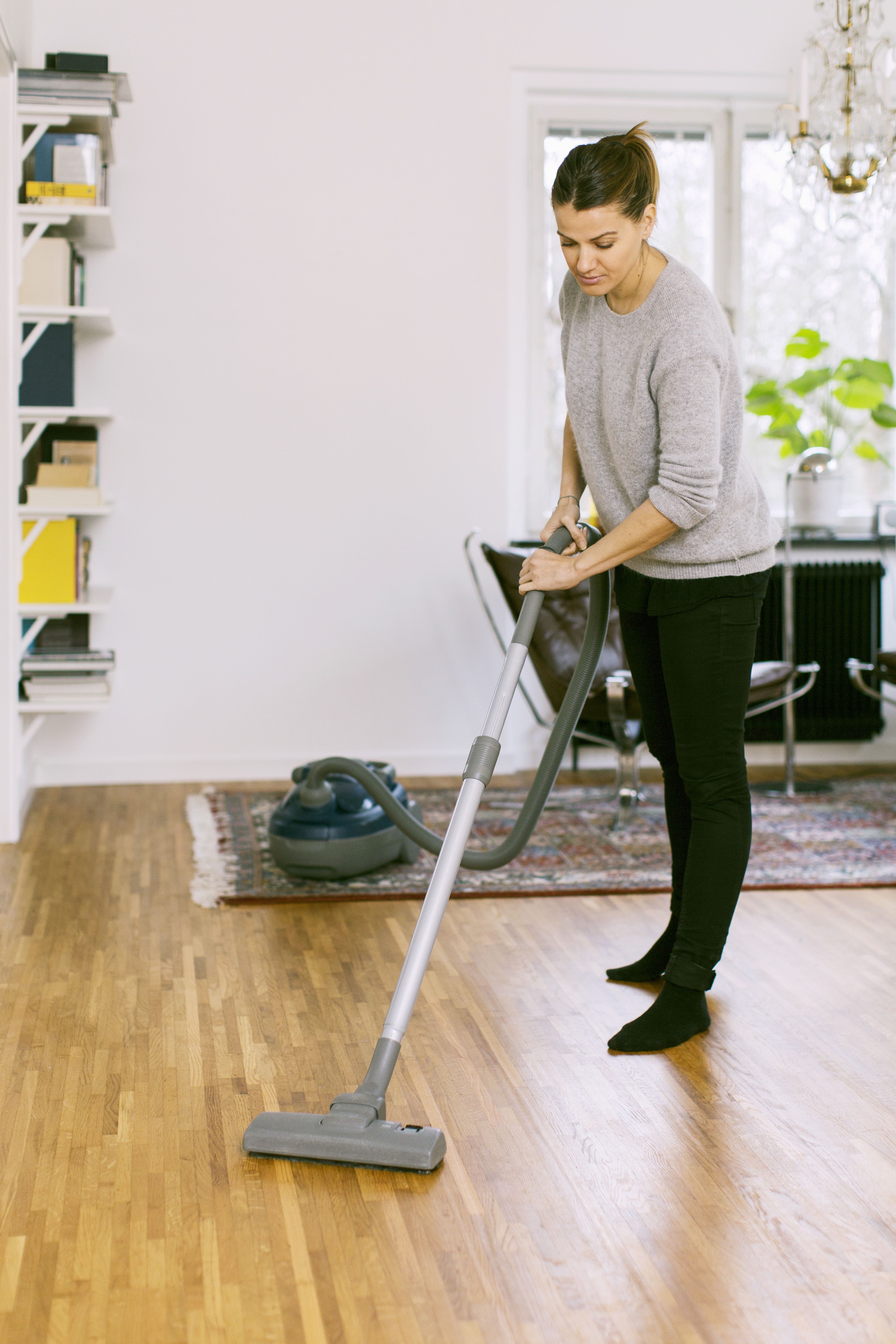
The first step in maintaining hardwood floors is regular sweeping and dusting. Dust and dirt can accumulate quickly, especially in high-traffic areas. I make it a habit to sweep or use a microfiber dust mop every day. It’s important to avoid using a regular broom with stiff bristles, as it can scratch the surface of your hardwood. Instead, a soft-bristled broom or microfiber mop works wonders, gently lifting dust without causing any damage.
In addition to sweeping, dusting also plays a big role. Using a microfiber cloth to wipe down your floors helps trap dust and prevents it from spreading around. I’ve found that this routine not only keeps my floors looking cleaner but also reduces the amount of dirt that can build up over time. Regular dusting and sweeping are the simplest yet most effective ways to protect your hardwood floors.
Sweeping and dusting not only prevent dirt buildup but also avoid the need for deep cleaning too frequently. By keeping the surface clear of dust and debris, you’ll reduce the chances of scratches forming on your hardwood floors. Over time, this simple step can extend the life of your floors significantly, ensuring they stay beautiful for years.
Choosing the Right Cleaner
Choosing the right cleaner for your hardwood floors is essential. I’ve experimented with several products over the years, and I’ve learned that not all cleaners are suitable for wood. I recommend using a cleaner specifically designed for hardwood floors. Many commercial cleaners contain harsh chemicals that can damage the finish or leave a residue behind. Instead, I prefer a gentle solution, like a mix of water and a small amount of dish soap.
When shopping for a cleaner, look for one that is non-toxic and free of abrasives. I’ve found that plant-based, eco-friendly cleaners work well without harming the floor’s finish. The cleaner should also be pH-balanced so it doesn’t strip away the natural oils in the wood. For stubborn spots, I usually spray the cleaner directly onto the area and gently scrub it with a soft cloth to avoid any damage.
I always avoid using vinegar or ammonia-based cleaners. Although they can clean well, these substances can strip the protective coating of your hardwood floors over time. Even diluted vinegar can leave your floors looking dull. After using a safe cleaner, I wipe the floor down with a damp cloth to remove any excess cleaner, ensuring no residue is left behind, which could attract more dirt.
Using the Right Mop
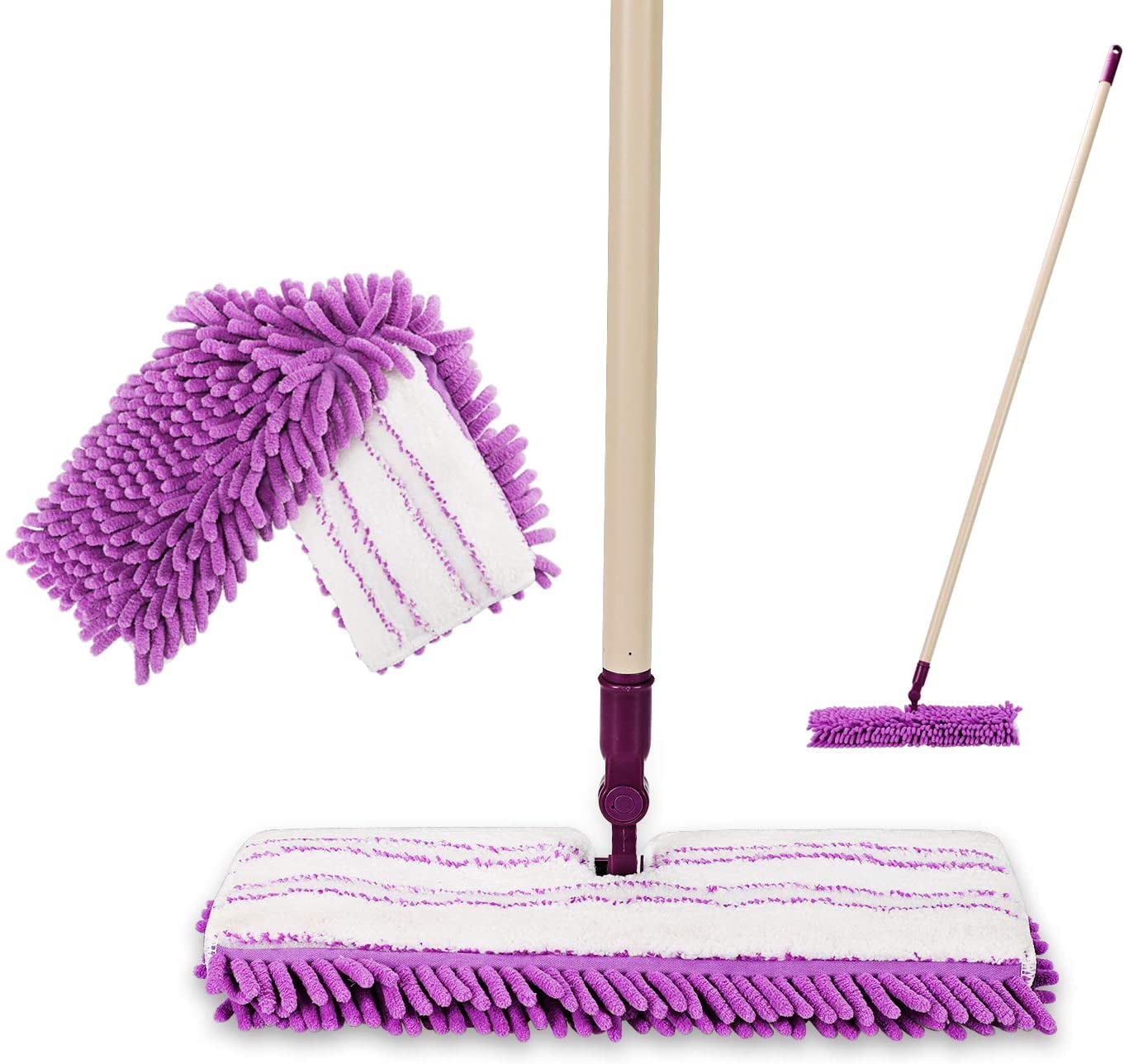
When it comes to mopping hardwood floors, using the right mop is crucial. I’ve learned that a traditional sponge mop, although effective for other surfaces, can be too harsh for hardwood. Instead, I use a microfiber mop, which is gentle on the wood while still picking up dirt effectively. Microfiber is highly absorbent, so it holds onto moisture better, reducing the chances of leaving excess water on the floor.
Another important thing to remember is to never soak the mop in water before cleaning the floor. Hardwood floors are sensitive to moisture, and excessive water can warp or stain the wood. Instead, I dampen the mop slightly and wring it out well before use. This way, the mop is just damp enough to clean without introducing too much water to the floor.
I also recommend using a mop with a swivel head to make maneuvering around furniture and corners easier. A mop with this feature allows for a more efficient clean, especially in tricky areas. For deeper cleaning, I go over the area with a microfiber mop a second time, ensuring I don’t leave streaks or water behind, which can dull the finish of the wood.

Preventing Scratches and Scuffs
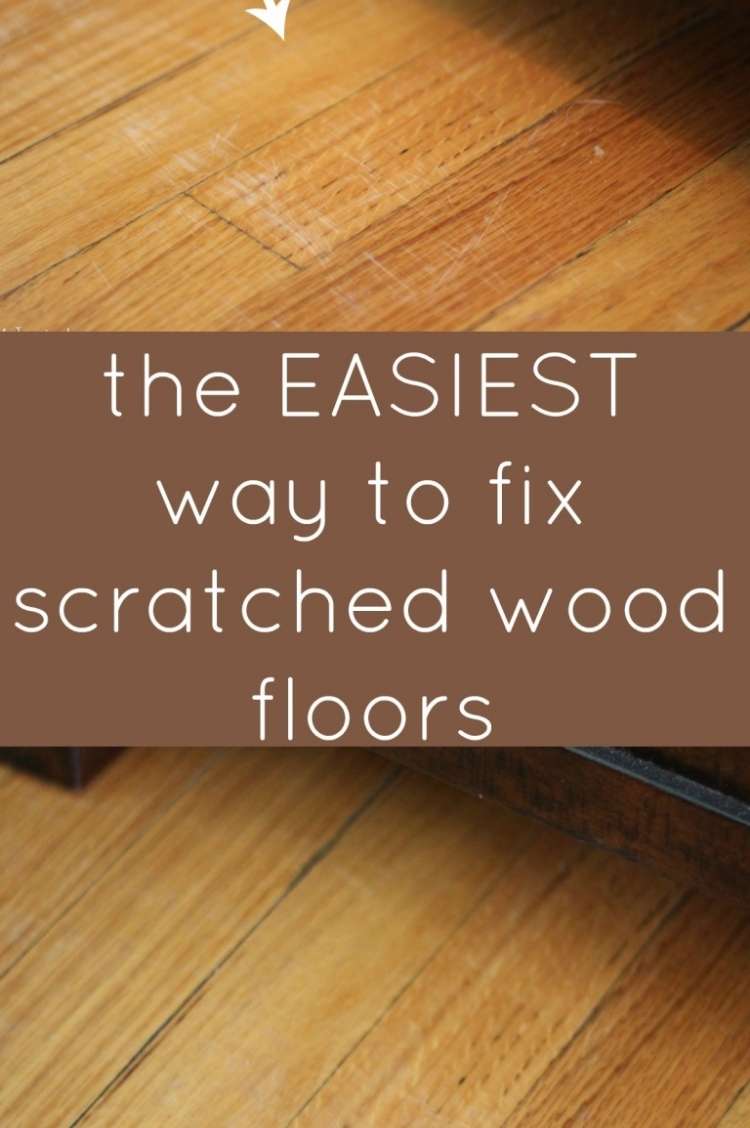
One of the worst things that can happen to your hardwood floors is scratches or scuff marks. Over time, even the smallest grit or piece of debris can cause noticeable scratches on the surface. I’ve found that the best way to prevent this is by placing felt pads under furniture legs. This simple step has saved me from countless scratches, especially in areas where chairs or tables are moved frequently.
Another preventative measure I take is encouraging everyone in my household to remove shoes before walking on the hardwood floors. Shoes, especially high heels or boots, can leave dents or scratches on the surface, so I’ve made it a rule to keep shoes off in areas with hardwood floors. It’s a small habit that makes a big difference in preserving the look of the floor.
I also recommend using rugs or mats in high-traffic areas, like entryways or hallways. Not only do these help prevent dirt from being tracked in, but they also provide an extra layer of protection against scuffs and scratches. Just be sure to use rugs with a non-slip backing to avoid them sliding around, which could cause additional damage to the floor.
Dealing with Stains and Spots
Stains and spots are an inevitable part of life, and they can be tricky to remove from hardwood floors. For most minor stains, I’ve found that a damp cloth with a small amount of gentle soap works wonders. I gently rub the spot, making sure not to use excessive moisture. For tougher stains, I turn to a homemade solution of equal parts water and rubbing alcohol. This mixture cleans the stain without causing damage to the wood.
For sticky substances like gum or syrup, I use ice cubes to harden the substance, then scrape it off with a plastic scraper. I’ve learned that scraping with metal can scratch the surface, so I always go for something softer. Once the sticky substance is removed, I clean the area with a microfiber cloth to ensure there’s no residue left behind.
For ink or wine stains, I apply a small amount of baking soda mixed with water to form a paste. Gently rubbing the paste into the stain with a soft cloth can help lift the discoloration. If the stain persists, it’s always best to consult a professional to avoid damaging the floor’s finish or structure. Regularly cleaning up spills and treating stains promptly will prevent permanent damage to your hardwood floors.
Maintaining the Shine
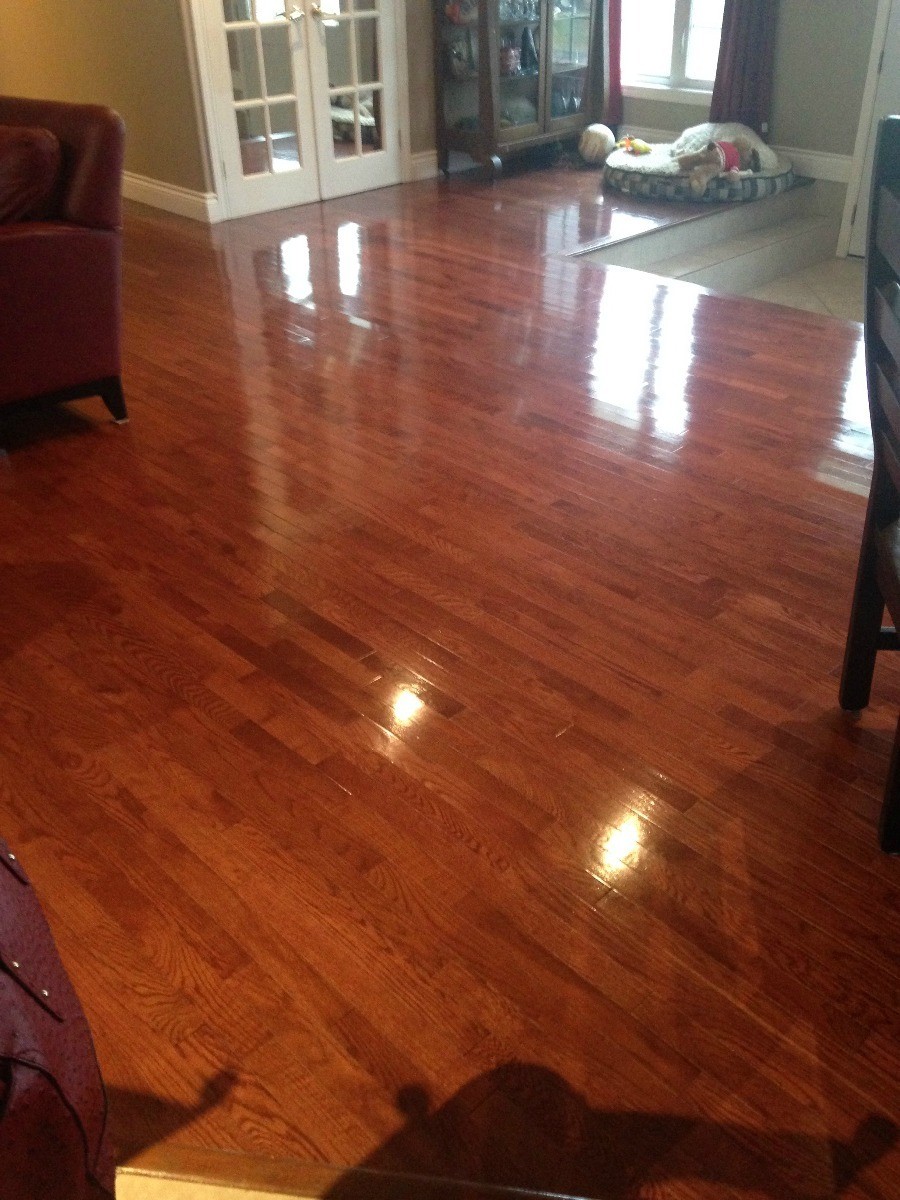
Over time, hardwood floors can lose their shine, especially in high-traffic areas. One of the best ways I’ve found to maintain the luster of my floors is by using a hardwood floor polish. It’s essential to choose a polish that’s compatible with your floor’s finish. I usually apply the polish with a soft, clean cloth, making sure to spread it evenly over the surface. This not only helps restore the shine but also provides a protective layer.
However, I avoid over-polishing the floor, as this can result in a build-up of product that may cause streaking. I recommend applying polish sparingly, just enough to restore the shine without overdoing it. I also make sure to follow the product’s instructions, as each brand may have specific recommendations regarding application frequency.
To maintain the floor’s shine without using a polish, I also mop my floors with a gentle cleaner that leaves behind a natural sheen. This method is often sufficient for floors that don’t require extra attention. Regular cleaning, combined with proper maintenance, ensures that your hardwood floors remain beautiful and shiny for years.

Can I use vinegar to clean hardwood floors?
While vinegar is often recommended as a natural cleaner, it can damage the finish on hardwood floors over time. I avoid using vinegar on my hardwood floors because it can strip away the protective layer, leaving them vulnerable to stains and scratches. Instead, I recommend using a gentle cleaner specifically designed for hardwood floors.
How often should I clean my hardwood floors?
I suggest sweeping or dusting your hardwood floors daily to keep dirt from building up. However, deep cleaning with a damp mop can be done once or twice a month, depending on the amount of traffic your floors see. Regular cleaning prevents dirt buildup, keeping your floors in great condition for longer.

How do I remove water stains from hardwood floors?
Water stains are common, especially if spills are left untreated. I’ve had success with using a mixture of baking soda and water, gently rubbing it on the stain with a soft cloth. For more stubborn stains, a professional restoration service may be needed to prevent further damage to the wood.
Should I use a steam mop on hardwood floors?
I would advise against using a steam mop on hardwood floors, as the heat and moisture can cause the wood to warp or swell. Instead, I recommend using a damp microfiber mop, which cleans effectively without exposing the wood to excess moisture.
How do I prevent scratches on my hardwood floors?
To prevent scratches, I use felt pads on the legs of furniture and avoid wearing shoes indoors. I also place rugs in high-traffic areas to help reduce wear and tear. Taking these precautions will keep your hardwood floors looking pristine for years.
How can I restore the shine to my hardwood floors?
To restore the shine, I use a hardwood floor polish that is compatible with my floor’s finish. I apply it sparingly to avoid buildup and follow the manufacturer’s instructions. Regular cleaning and occasional polishing can keep your floors looking shiny and new.

Mops for Cleaning Hardwood Floors
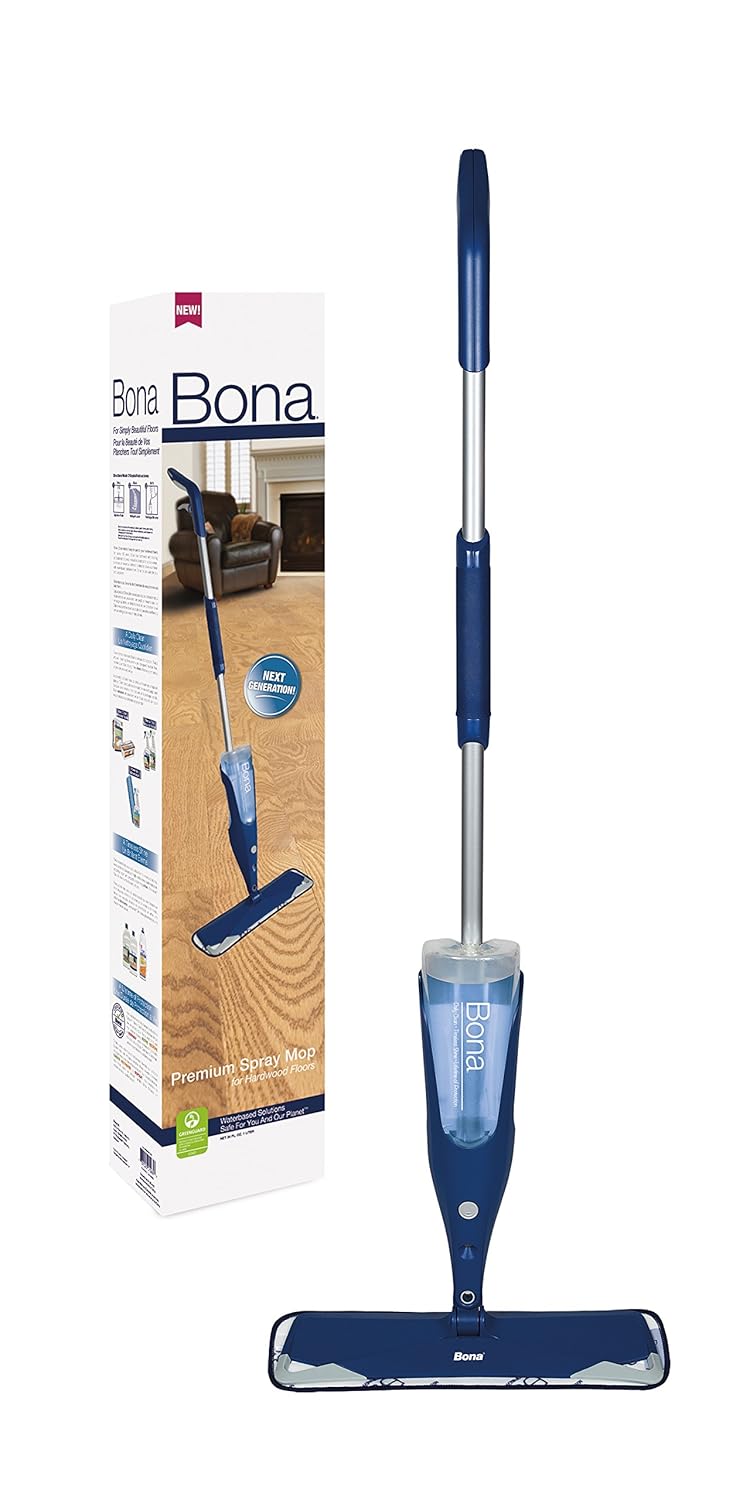
Hardwood Floor Cleaners
/woman-wiping-the-floor-588494585-5a99b2e06edd650036ac6c52.jpg)
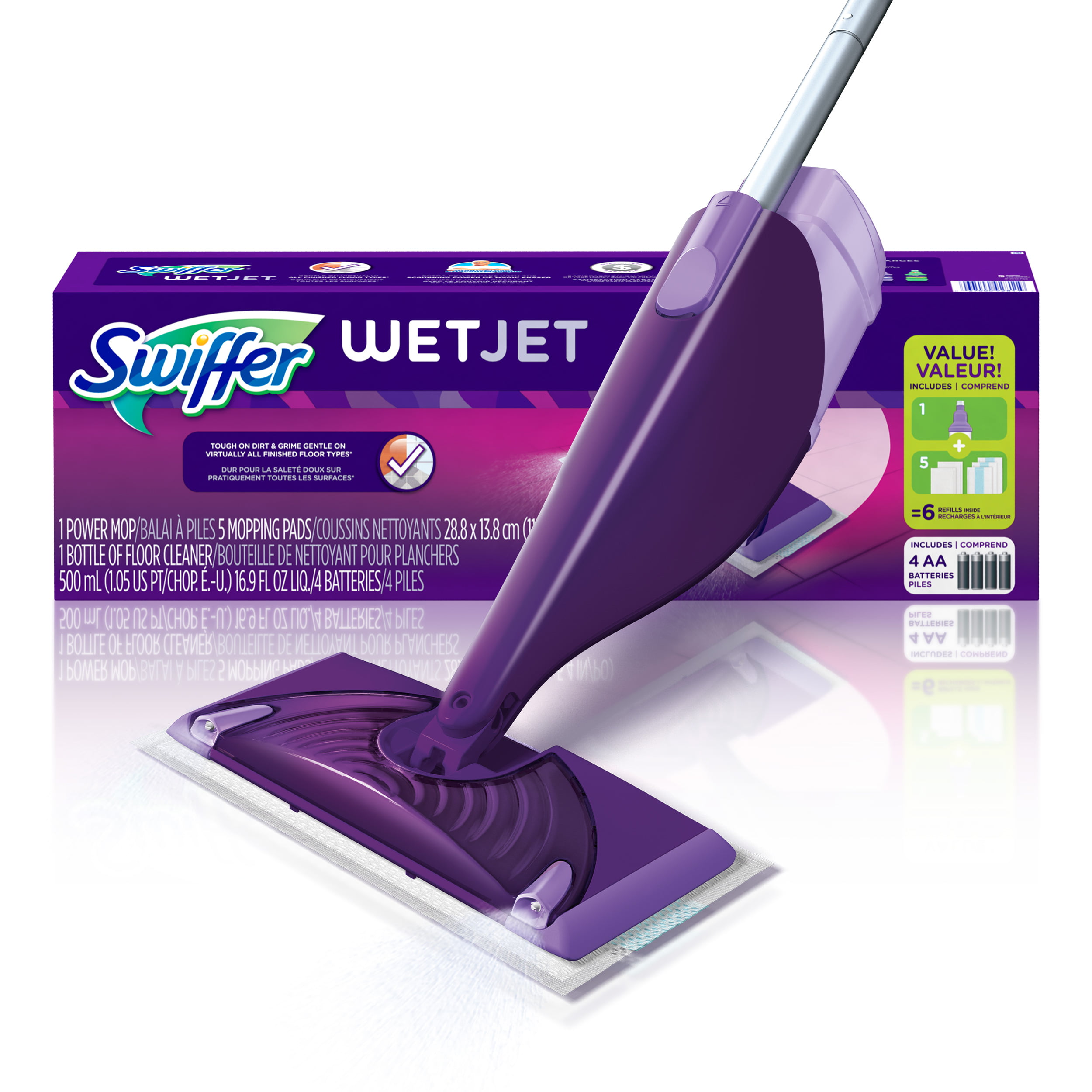
Swiffer WetJet Floor Mop Starter Kit (1 Power Mop, 5 Mopping Pads, 1 Floor Cleaner Liquid
Related Posts: