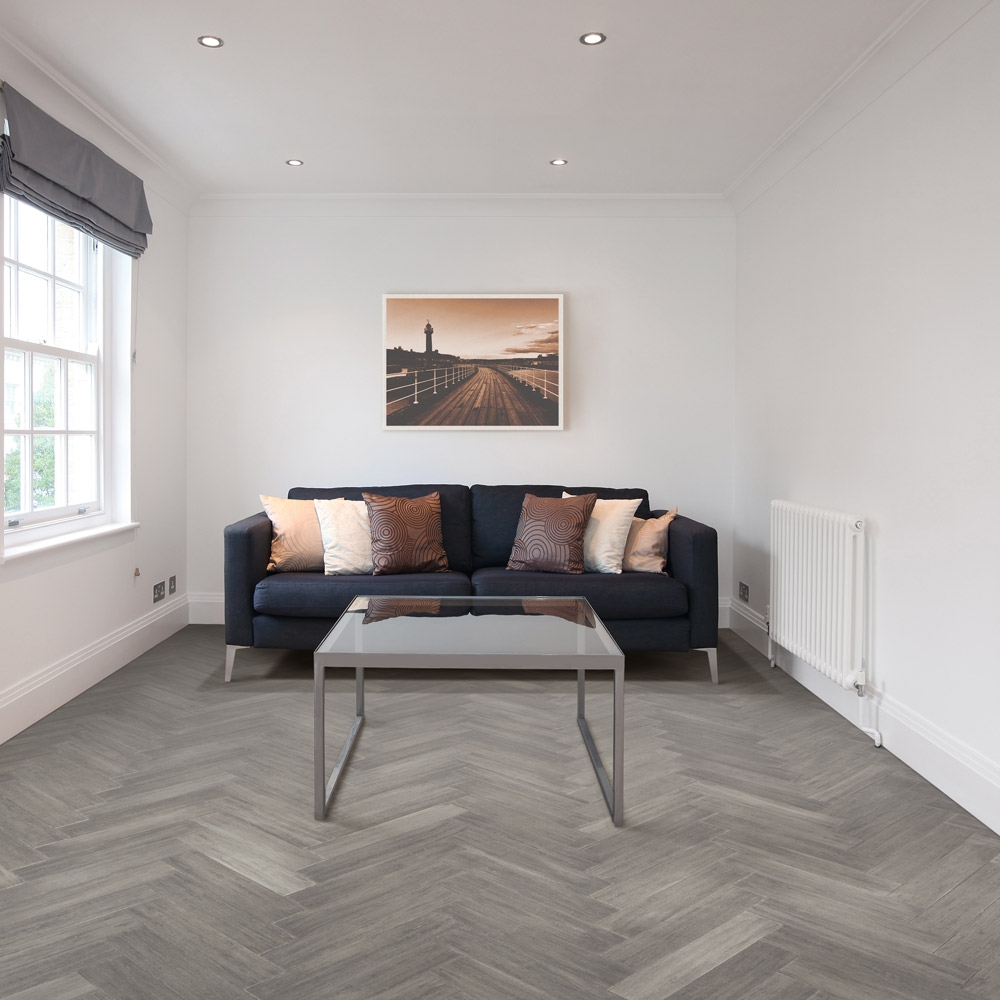
When I first saw grey parquet wood flooring in a design magazine four years ago, I was skeptical about bringing such a dramatic change to my traditional living room. The geometric patterns seemed too bold, and the grey color felt risky compared to the classic honey oak floors I was accustomed to. However, after living with my grey herringbone parquet for three years now, I can honestly say it was the best flooring decision I’ve ever made. The sophisticated patterns and contemporary grey tones transformed my space from dated to stunning while proving surprisingly practical for daily family life with kids and pets.
Understanding Parquet Pattern Options and Visual Impact
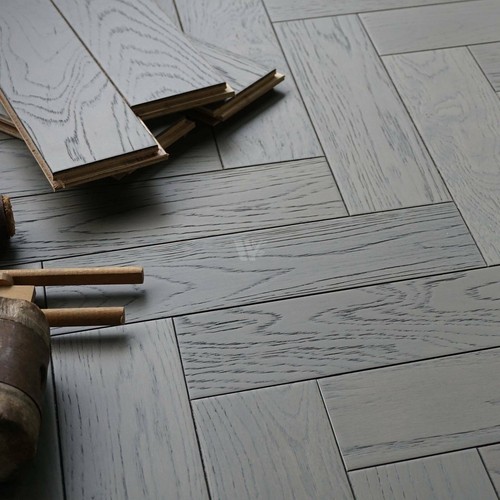
Choosing the right parquet pattern required careful consideration of my room size, furniture layout, and personal style preferences. Herringbone became my top choice because the diagonal lines created visual movement that made my modest living room appear larger and more dynamic. The 45-degree angles drew the eye across the space, creating an illusion of width that traditional straight planks couldn’t achieve in my narrow room layout.
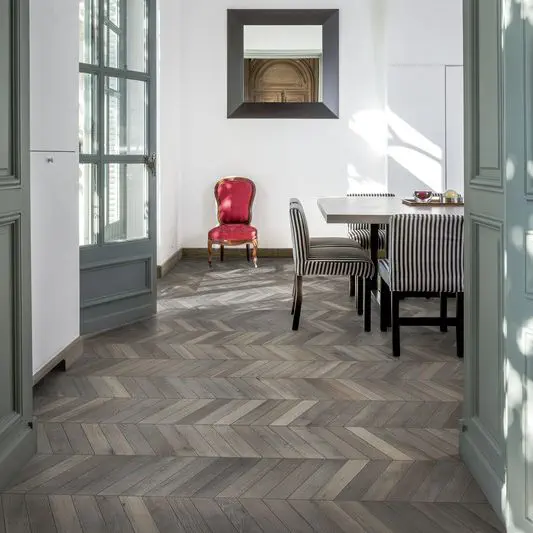
Chevron patterns initially caught my eye with their bold zigzag appearance, but I realized they might feel too busy in my space after living with samples for several weeks. The continuous V-pattern created more visual drama than I wanted for daily living, though it looked stunning in larger, more formal spaces. I appreciated how the grey color tones down even the most dramatic patterns, making bold designs more livable than they might be in natural wood colors.
Basketweave and brick patterns offered more subtle geometric interest that complemented my transitional decor style perfectly. These patterns provided texture and visual complexity without overwhelming the space or competing with furniture and accessories. The grey coloring unified all the different wood grain directions, creating cohesion that might be harder to achieve with traditional brown wood tones that could look busy in intricate patterns.
Selecting the Right Grey Tone and Wood Species
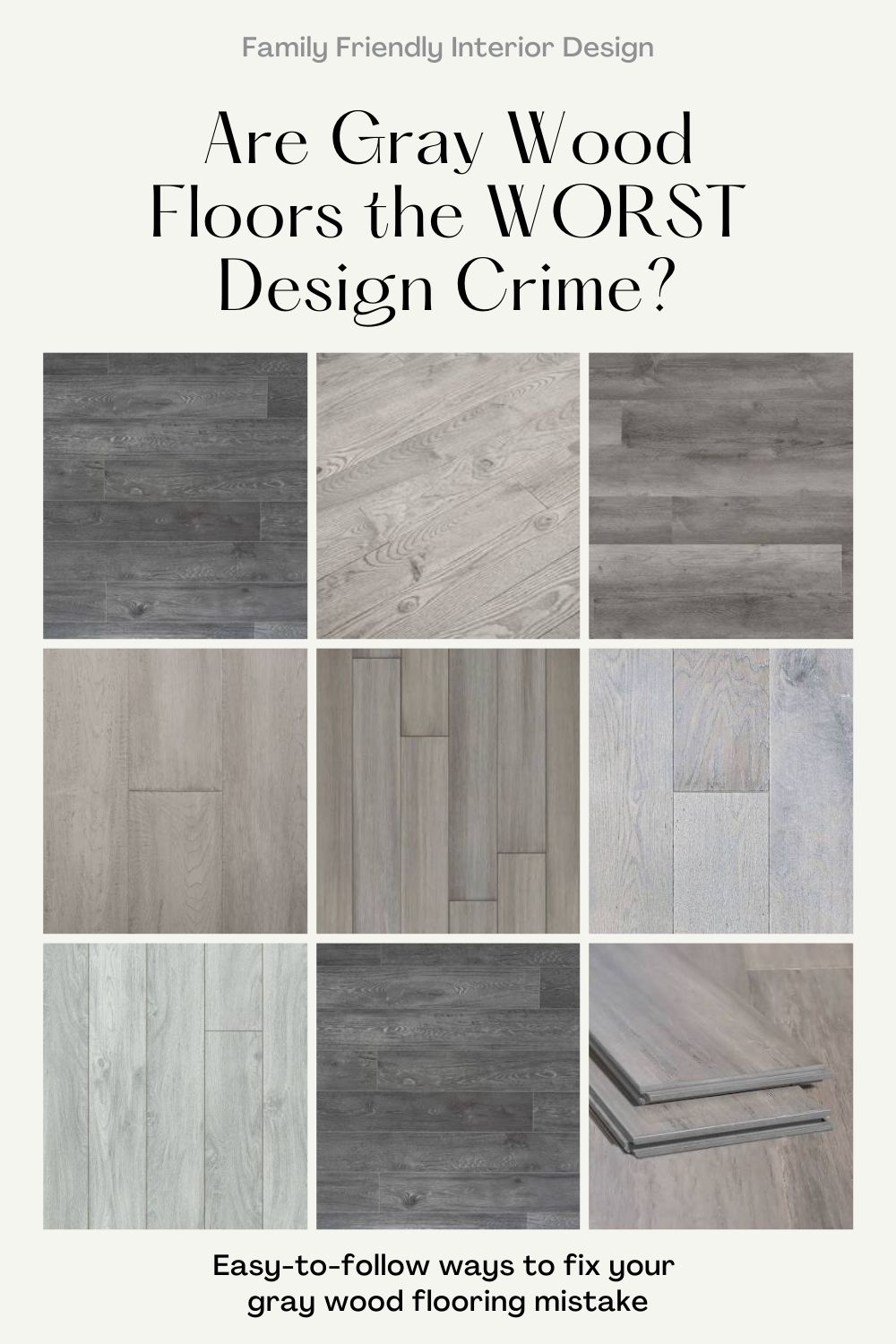
Finding the perfect grey shade required testing multiple samples in my actual lighting conditions throughout different times of day. Cool grays with blue undertones looked sophisticated in morning light but felt cold and sterile during evening hours with warm lamplight. Warmer greys with beige undertones provided better balance, feeling contemporary during the day while maintaining warmth and coziness in evening lighting scenarios.
Wood species selection significantly impacted the final appearance and performance of my grey parquet flooring. Oak provided the most consistent grey coloring due to its tight, even grain structure that accepted stain uniformly. Ash offered beautiful grain patterns but showed more variation in grey tones that created a more rustic, organic appearance. I ultimately chose oak for its predictable results and widespread availability.
The grey staining process revealed different characteristics in various wood species that I hadn’t anticipated. Softer woods like pine absorbed stain more quickly and showed blotchy results, while harder woods like maple sometimes resisted stain penetration, leading to lighter, less consistent coloring. Understanding these species-specific behaviors helped me make informed decisions and set realistic expectations for the final appearance.

Installation Challenges Unique to Parquet Patterns
Layout planning for parquet patterns required much more precision than traditional plank flooring installation. I spent an entire day marking center lines and creating reference grids to ensure the patterns would be symmetrical and properly aligned throughout each room. Starting from the center of the space and working outward prevented the awkward partial patterns that can occur when starting from walls in older homes with imperfect dimensions.
Cutting and fitting the intricate angles required specialized tools and considerable patience that tested my DIY skills. A compound miter saw became essential for achieving precise cuts, especially for the herringbone pattern, where each piece needed perfect 45-degree angles. I invested in a high-quality saw and practiced extensively on scrap pieces before cutting final flooring materials to avoid costly mistakes.
Subfloor preparation proved more critical for parquet than traditional flooring because any imperfections telegraphed through the geometric patterns and created noticeable problems. I spent extra time ensuring perfectly level, smooth surfaces and used self-leveling compound more extensively than I’d planned. The additional prep work added time and cos,t but was essential for achieving the professional appearance that makes parquet flooring look intentional rather than amateurish.
Finishing and Staining Techniques for Grey Tones
Achieving consistent grey coloring across the parquet patterns required specific staining techniques that differed from standard plank finishing. I learned to apply stain in thin, even coats using foam applicators that provided better control than traditional brushes or rags. Working systematically across the geometric patterns ensured uniform color absorption and prevented the blotchy appearance that can occur with rushed application.
Preconditioning the wood before staining became essential for preventing uneven color absorption, especially important with the varied grain directions in parquet patterns. I applied wood conditioner to all surfaces and allowed proper drying time before staining. This extra step added time to the process but resulted in much more consistent grey tones across all the different wood grain orientations present in the parquet layout.
Multiple thin topcoat applications protected both the grey stain and the wood while enhancing the pattern visibility. I used water-based polyurethane that wouldn’t yellow over time and compromise the grey coloring. Each coat required light sanding between applications to achieve smooth, professional results. The final finish brought out the contrast between different grain directions while protecting the investment for long-term durability.

Maintenance and Care for Grey Parquet Flooring
Daily maintenance of grey parquet proved simpler than I expected, with the geometric patterns helping to hide minor dust and debris between cleanings. The varied angles and grain directions camouflage light scratches and wear patterns better than straight plank floors, where damage tends to be more obvious. Regular sweeping or vacuuming prevents grit from dulling the finish, while weekly damp mopping maintains the grey color’s vibrancy.
Protecting the grey finish required some adjustments to my cleaning routine and household habits. I avoid oil-based cleaners that can muddy the grey coloring over time, sticking to pH-neutral products specifically designed for hardwood floors. Furniture pads prevent scratches that might expose natural wood color beneath the grey stain, which would be more noticeable than on traditional wood floors.
Periodic maintenance, like buffing and recoating, helps preserve both the protective finish and the grey coloring. I plan to have the floors professionally recoated every 5-7 years to maintain their appearance and protection. The grey stain penetrates deep enough that normal wear won’t expose natural wood color, but maintaining the topcoat ensures long-term beauty and performance of this significant flooring investment.
Long-Term Performance and Design Satisfaction
Living with grey parquet for three years has exceeded my expectations for both durability and aesthetic appeal. The geometric patterns continue to create visual interest that makes the space feel dynamic and sophisticated, while the grey coloring provides a neutral backdrop that works with changing furniture and decor choices. I’ve redecorated twice since installation, and the flooring has complemented both contemporary and traditional styling approaches perfectly.
The practical benefits of grey parquet have provento be as valuable as the aesthetic improvements. Pet hair and daily dust are less visible than on darker floors, while the patterns help disguise minor wear and scratches that would be obvious on plain plank flooring. The grey color shows fewer water spots and footprints than darker stains, making maintenance easier despite the floor’s high-end appearance.
Property value considerations influenced my initial decision and have proven justified based on recent appraisals and neighbor feedback. The unique flooring has become a distinctive feature that sets my home apart in the neighborhood while appealing to contemporary design preferences. Real estate professionals have confirmed that quality hardwood flooring, especially distinctive installations like grey parquet, significantly enhances property value and buyer appeal in today’s market.

How does grey parquet flooring perform in high-traffic areas with kids and pets?
My grey herringbone has held up excellently with two children and a large dog over three years. The geometric patterns hide scratches, pet hair, and daily wear much better than plain plank floors. The grey color camouflages dust and minor scuffs that would be obvious on darker stains. I touch up high-wear areas annually, but overall maintenance is easier than expected.
Is grey parquet more expensive than traditional hardwood flooring?
Yes, the labor-intensive installation and precise cutting required for parquet patterns add cost. My project cost about 40% more than standard plank installation. However, the unique appearance and long-term durability justify the investment. The distinctive look adds significant property value that helps offset the higher initial cost compared to basic hardwood options.
Can you change the grey color later if design trends shift?
Grey parquet can be refinished and restained like any hardwood floor, though the process is more complex due to the geometric patterns. The stain penetrates deeply enough that 2-3 refinishing cycles are possible during the floor’s lifetime. I chose a moderate grey tone specifically to ensure longevity as trends change, making future updates less likely to be necessary.
How difficult is DIY installation of grey parquet compared to regular hardwood?
Significantly more challenging. The precise angle cuts, pattern layout, and geometric alignment require advanced skills and specialized tools. I have extensive DIY experience and still found it demanding. Many professionals recommend hiring experienced installers for parquet projects. Poor installation is very obvious with geometric patterns and is costly to correct.
Does the grey color limit furniture and decor choices?
Actually, the opposite, I’ve found grey to be incredibly versatile. It works with both warm and cool color schemes, traditional and contemporary furniture, and various metal finishes. The neutral base allows me to change wall colors, furniture, and accessories without worrying about clashing with the flooring. It’s more flexible than traditional wood tones.
How do you maintain a consistent grey color across different lighting conditions?
I chose a warm grey with slight beige undertones that performs well in various lighting. Cool grays can look harsh under warm evening lighting. Testing samples in your actual space throughout the day is essential. LED lights with adjustable color temperature help maintain a consistent appearance. The key is selecting grey tones that complement your primary lighting rather than fighting it.

SILVER WHITE. Herringbone parquet flooring. Slightly brushed mixed

Solid Stone Grey Strand Woven 90mm Parquet Block BONA Coated Bamboo Flooring 1.134m²
Related Posts: