I fell in love with Cuban tile floors during my first visit to Havana fifteen years ago, wandering through colonial mansions where centuries-old hydraulic cement tiles told stories of craftsmanship and cultural heritage. Since then, I’ve incorporated these stunning geometric patterns and vibrant colors into dozens of projects, from Miami Beach condos to farmhouse kitchens in Vermont. The handmade quality, infinite design possibilities, and timeless appeal of Cuban tiles have made them one of my favorite flooring choices for clients seeking authentic character and artistic expression in their homes.
Understanding Authentic Cuban Tile Construction
Traditional Cuban tiles fascinate me because they represent a lost art of hydraulic cement construction that dates back to the 1850s. I’ve visited workshops in Cuba where artisans still create these tiles by hand, pressing pigmented cement through brass stencils to form intricate patterns. The process requires no firing, instead relying on hydraulic pressure and time to cure the cement into durable, colorfast tiles. Each tile becomes a small work of art with subtle variations that machine production simply cannot replicate.
The construction method creates tiles with exceptional durability that I’ve witnessed firsthand in century-old Cuban buildings. The pigments penetrate throughout the cement rather than sitting on the surface like glazed ceramics, making the colors virtually permanent. I’ve seen Cuban tiles in historic homes that have endured decades of tropical weather, heavy foot traffic, and minimal maintenance while retaining their vibrant appearance. This longevity makes them an excellent investment for homeowners seeking floors that improve with age.
Modern reproductions attempt to capture the Cuban tile aesthetic, but I always educate my clients about the differences between authentic handmade tiles and machine-manufactured alternatives. Genuine Cuban tiles have slight irregularities, color variations, and textural differences that give them character and authenticity. The thickness typically measures 5/8 inch compared to thinner reproductions, and the weight feels substantial in your hands. While reproductions serve budget-conscious projects well, nothing matches the soul and craftsmanship of authentic Cuban tiles.
Color Palettes and Pattern Selection
Cuban tile patterns offer endless design possibilities, and I love helping clients navigate the traditional motifs and color combinations. Classic geometric patterns like stars, flowers, and quatrefoils remain my most popular choices because they provide timeless appeal without overwhelming spaces. I particularly enjoy working with the traditional blue and white combinations that evoke Mediterranean coastal living, perfect for bathrooms, kitchens, and entryways where you want to create a sense of calm sophistication.
Bold, vibrant color schemes characterize many authentic Cuban tile designs, and I encourage adventurous clients to embrace these dramatic palettes. Deep reds, emerald greens, sunny yellows, and rich blues create stunning focal points that transform ordinary rooms into extraordinary spaces. I’ve used these intense colors successfully in powder rooms, accent walls, and kitchen backsplashes where the bold patterns serve as artistic statements rather than overwhelming larger areas.
For clients preferring subtlety, I recommend monochromatic schemes or neutral palettes that showcase pattern complexity rather than color intensity. Gray and white combinations offer sophisticated alternatives that complement contemporary furnishings while maintaining the tiles’ inherent character. I’ve created beautiful installations using cream, taupe, and soft gray palettes that provide textural interest without competing with existing decor. These subtle approaches work particularly well in modern homes where Cuban tiles add historical depth to minimalist aesthetics.

Installation Techniques and Considerations
Installing Cuban tiles requires specialized knowledge that I’ve developed through years of working with these unique materials. The irregular nature of handmade tiles means each installation becomes a puzzle requiring patience, skill, and artistic eye. I always recommend hiring experienced tile setters familiar with hydraulic cement tiles because improper installation can damage these valuable surfaces permanently. The investment in skilled labor pays dividends in the final appearance and longevity of the installation.
Substrate preparation becomes critical with Cuban tiles because their cement composition requires stable, properly prepared surfaces. I insist on perfectly flat, clean substrates with appropriate moisture barriers in wet areas. Unlike ceramic tiles that can accommodate minor substrate irregularities, Cuban tiles telegraph every imperfection in the underlying surface. I’ve learned to be meticulous about substrate preparation, often spending extra time ensuring perfect flatness before tile installation begins.
The setting process differs significantly from standard ceramic tile installation, requiring modified adhesives and techniques that accommodate the tiles’ unique properties. I use cement-based adhesives rather than mastic, and I ensure proper curing time between installation and grouting. Cuban tiles absorb moisture differently than fired ceramics, so timing becomes crucial for achieving proper adhesion. I also pre-seal tiles before grouting to prevent grout staining, a step that proves essential for maintaining the tiles’ pristine appearance.

Maintenance and Long-term Care
I always spend considerable time educating clients about proper Cuban tile maintenance because their care requirements differ from standard ceramic tiles. These porous cement tiles require regular sealing to prevent stains and moisture penetration, typically every 1-2 years, depending on traffic and usage. I recommend high-quality penetrating sealers that protect without altering the tiles’ natural appearance. Proper sealing maintains the tiles’ beauty while making routine cleaning much easier.
Daily maintenance involves gentle cleaning with pH-neutral cleaners that won’t damage the cement matrix or strip protective sealers. I teach clients to avoid acidic cleaners like vinegar or citrus-based products that can etch the cement surface permanently. For routine cleaning, I recommend simple soap and water solutions followed by thorough drying. The key is preventing standing water that can penetrate unsealed areas and cause staining or efflorescence problems.
When stains occur, and they inevitably will with regular use, I show clients gentle removal techniques that preserve the tile surface. Light stains often respond to baking soda paste or specialized cement tile cleaners, while deeper stains may require professional restoration. I’ve successfully restored severely stained Cuban tile floors through careful cleaning and re-sealing processes. The beauty of cement tiles lies in their ability to be restored rather than replaced when problems occur.

Design Applications and Room Selection
Bathrooms represent one of my favorite applications for Cuban tiles because the patterns and colors create spa-like retreats with authentic character. I love using bold geometric patterns on floors paired with simpler border designs on walls, creating layered visual interest without overwhelming small spaces. The natural slip resistance of cement tiles makes them practical for wet areas, though I always recommend proper sealing in shower applications to prevent water damage.
Kitchen applications showcase Cuban tiles beautifully, particularly as backsplashes and accent areas where the patterns add personality without creating maintenance challenges. I’ve installed stunning Cuban tile backsplashes that serve as focal points in otherwise neutral kitchens, bringing color and pattern that transform the entire space. For kitchen floors, I recommend simpler patterns and darker colors that hide cooking-related stains while maintaining the tiles’ authentic character.
Entryways and foyers benefit enormously from Cuban tile installations that create memorable first impressions for guests. I enjoy designing custom borders and medallions that welcome visitors while establishing the home’s design personality from the moment they enter. These high-traffic areas showcase the tiles’ durability while their patterns help camouflage dirt and wear that naturally occur in entrance areas. Proper sealing becomes particularly important in these applications where weather exposure increases maintenance requirements.

Sourcing and Authenticity Considerations
Finding authentic Cuban tiles requires knowledge of reputable dealers and understanding of import regulations that affect availability. I work with several specialty importers who maintain relationships with Cuban artisans and navigate the complex regulations surrounding Cuban goods. The authenticity comes with premium pricing, but I’ve found that clients who invest in genuine Cuban tiles never regret the decision when they see the superior quality and character these tiles provide.
Reproduction tiles offer more accessible alternatives for budget-conscious projects, and quality has improved significantly in recent years. I’ve used excellent reproductions from manufacturers in Spain, Morocco, and Mexico that capture much of the Cuban tile aesthetic at lower price points. While they lack the historical authenticity of genuine Cuban tiles, high-quality reproductions can create beautiful installations that satisfy most clients’ design goals.
The investment in authentic Cuban tiles pays dividends in both aesthetic and practical terms, as these handmade tiles often last for generations with proper care. I encourage clients to view Cuban tile floors as heirloom investments that add significant value to their homes while providing daily enjoyment. The unique character, cultural significance, and artistic merit make these tiles conversation pieces that connect homeowners to centuries of craftsmanship tradition while creating stunning contemporary living spaces.

How do I distinguish authentic Cuban tiles from reproductions?
Authentic Cuban tiles have handmade irregularities, substantial weight (5/8″ thick), and subtle color variations within patterns. Look for slight size differences between tiles and textural variations that indicate hand-pressing. Genuine tiles often have maker’s marks or stamps. Reproductions tend to be thinner, more uniform, and lighter weight with perfectly consistent patterns and colors.
Can Cuban tiles be installed over existing flooring?
Installation over existing flooring depends on the substrate condition and height restrictions. The existing floor must be stable, level, and properly prepared. Cuban tiles’ thickness (5/8″) creates significant height increases that may require door adjustments and transitions. I always recommend a professional assessment to determine if existing flooring removal is necessary for optimal results.

What’s the best sealer for protecting Cuban tile floors?
I recommend penetrating sealers specifically designed for cement tiles that protect without creating surface films. Quality brands include StoneTech, Miracle Sealants, and Aqua Mix. Avoid topical sealers that can yellow or wear unevenly. Apply sealer before grouting and reapply every 1-2 years, depending on traffic. Test sealers in inconspicuous areas first to ensure compatibility.
How do Cuban tiles perform in high-moisture areas like showers?
Cuban tiles can work in showers with proper sealing and waterproofing, though I recommend limiting use to shower floors rather than walls. The porous nature requires excellent waterproofing systems and regular maintenance. Consider using them as accent elements combined with less porous materials for walls. Proper drainage and ventilation become critical for long-term performance.

Can damaged Cuban tiles be repaired or do they need replacement?
Minor damage, like small chips or cracks, can often be repaired using color-matched cement compounds and careful restoration techniques. Severely damaged tiles typically require replacement, which can be challenging if matching tiles aren’t available. I maintain spare tiles from each installation for future repairs. Professional restoration can address many issues without full replacement.
What installation costs should I expect for Cuban tile floors?
Installation costs exceed standard ceramic tile due to specialized requirements and skilled labor needs. Expect 2-3 times standard tile installation rates, plus material costs ranging from $8-25 per square foot for reproductions to $15-50+ for authentic Cuban tiles. Complex patterns increase labor costs. Factor in substrate preparation, sealing, and potential custom work for borders or medallions.
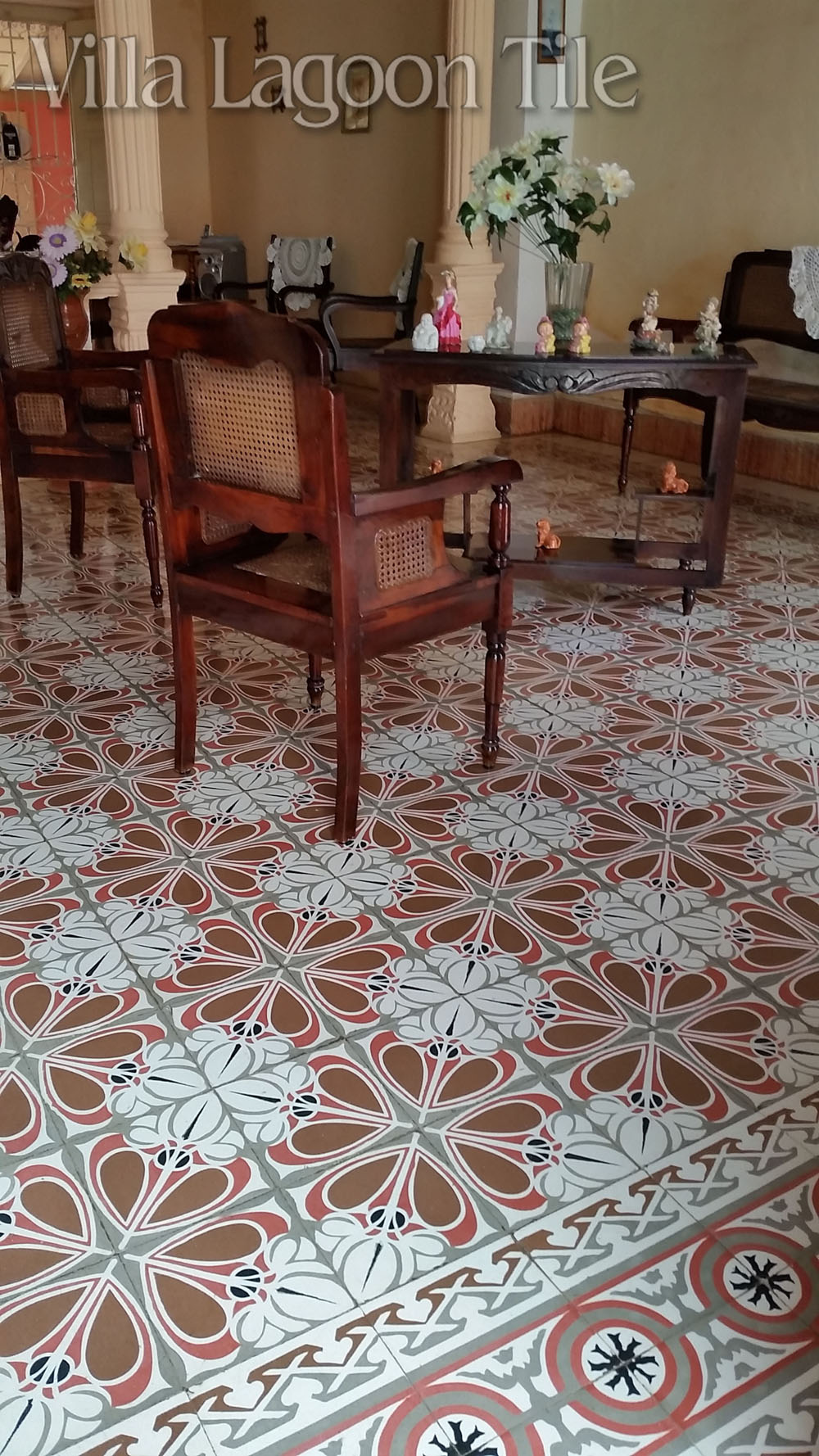
Granada Tile – Cuba Cuban tile, Creative tile, Cement tiles kitchen

Kitchen and Residential Design: Cuban tile isn’t encaustic, it’s cement. It’s not really cement
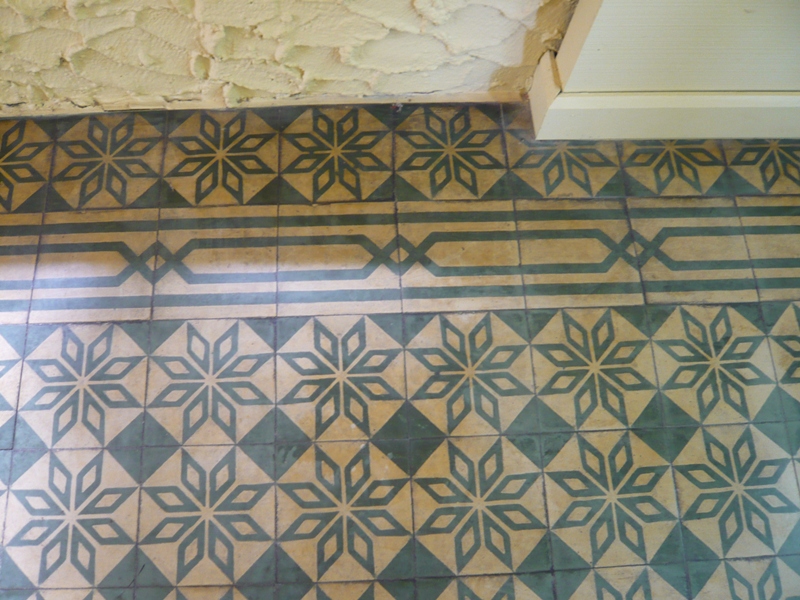
Cuban Photo Gallery – Cuban Collection Cement Tile
Related Posts:
- Cuban Tile Floors
- Easy Way To Grout Tile Floor
- Types Of Marble Tile Flooring
- Slate Tile Floor
- Classic Bathroom Tile Floors
- Tile Floor Color Ideas
- Wet Mops For Tile Floors
- Staining Saltillo Tile Floors
- Terrazzo Tile Floor Outdoor
- Tile Flooring For Screened Porch
How to Choose and Install Cuban Tile Floors
Cuban tile floors are a great way to add an eye-catching, unique look to your home. With the wide range of shapes, sizes, and colors available, it’s easy to find the perfect Cuban tiles to suit your style. Not to mention, Cuban tiles are more durable than other flooring materials and are extremely low maintenance. Installing Cuban tiles is also easy and straightforward, making it a great DIY project for anyone who wants to save on installation costs.
In this article, we’ll cover the basics of choosing and installing Cuban tile floors in your home. We’ll discuss what makes Cuban tiles so special, how to pick the right pattern and color scheme for your space, as well as provide step-by-step instructions for installing the tiles. With our tips and advice, you’ll be able to have beautiful Cuban tile floors in no time!
What Are Cuban Tiles?
Cuban tiles are made from a clay-like material called terra cotta. This material is formed into a variety of shapes and sizes and then fired in a kiln to make them hard and durable. The tiles are then glazed with vibrant colors and patterns that give them their distinctive look.
Cuban tiles have been used in homes for centuries—the Spanish first brought them to Cuba in the 1500s—but they’ve gained popularity in recent years as homeowners seek out unique flooring options. They’re especially popular in kitchens and bathrooms, where they can help create an inviting atmosphere.
Choosing the Right Pattern and Color Scheme
The beauty of Cuban tiles is that they come in so many different shapes, sizes, and colors that you can create virtually any look you want. From classic checkered patterns to modern abstract designs, there’s something for everyone.
When deciding what pattern and color scheme you want for your floor, the best place to start is by considering the size of your room and the existing décor. For example, if you have a large room with high ceilings, you may want to opt for a bold pattern like chevron or diagonal stripes. Alternatively, if you have a smaller space with low ceilings, you may opt for a simpler design like a checkerboard or basket weave.
When it comes to color schemes, you can choose from traditional shades like black and white or opt for something more daring like turquoise or yellow. Remember that when working with Cuban tiles, it’s best to use two or three colors at most in order to create a cohesive look.
Installing Cuban Tile Floors
Installing Cuban tile floors is a relatively simple process that most people can do on their own without professional help. The first step is to prepare the surface by removing any existing flooring and making sure it’s completely level. Once that’s done, you’re ready to start laying the tiles.
Start by laying out your pattern on the floor using masking tape as a guide. Once you’ve determined where each tile will go, spread thin-set mortar across the surface using a notched trowel. Then place each tile into the mortar one at a time until you have completed your design. Finally, let the mortar dry overnight before applying grout between the tiles with a rubber float tool.
Conclusion
Cuban tile floors are an excellent choice for anyone looking to add an elegant yet unique touch to their home. With such a wide variety of shapes, sizes, and colors available, it’s easy to find the perfect option for your space. Plus, installing Cuban tile floors is straightforward enough that anyone can do it on their own without professional help. We hope this article has helped shed some light on how to choose and install beautiful Cuban tile floors in your home!