I’ve transformed countless outdoor spaces using decorative concrete techniques that turn basic patios and walkways into stunning focal points that rival natural stone and exotic hardwood installations. My fascination with outdoor concrete began when I discovered how versatile this humble material could be, from acid-stained surfaces that mimic weathered limestone to stamped patterns that replicate expensive brick and flagstone. Over the past fifteen years, I’ve helped homeowners create outdoor living spaces that withstand harsh weather while providing beautiful, low-maintenance surfaces for entertaining, relaxing, and enjoying their properties year-round. The evolution of concrete technology has opened up design possibilities that were unimaginable just a decade ago.
Stamped Concrete Patterns and Textures
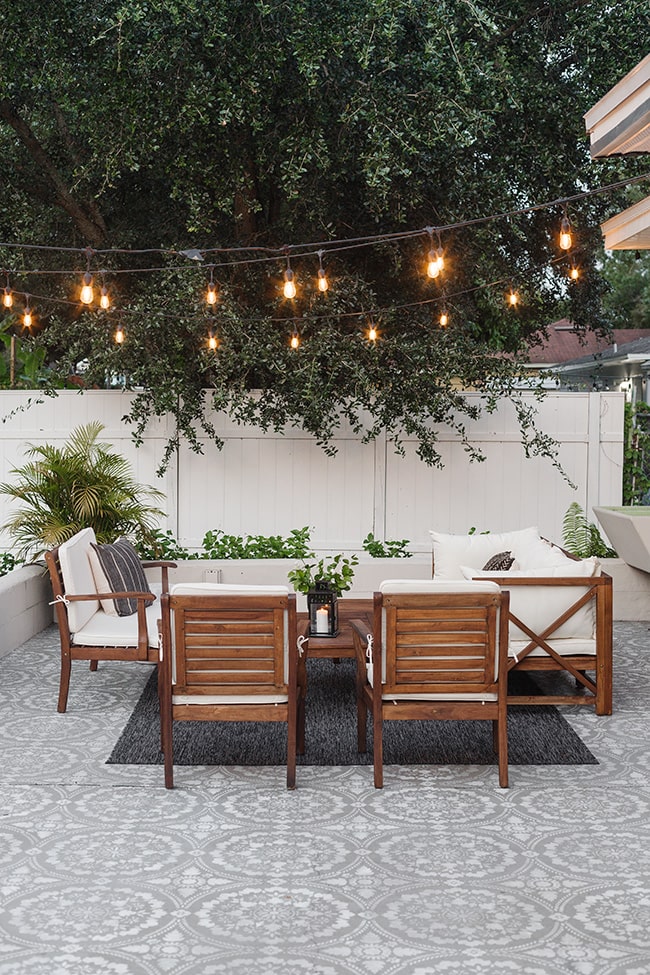
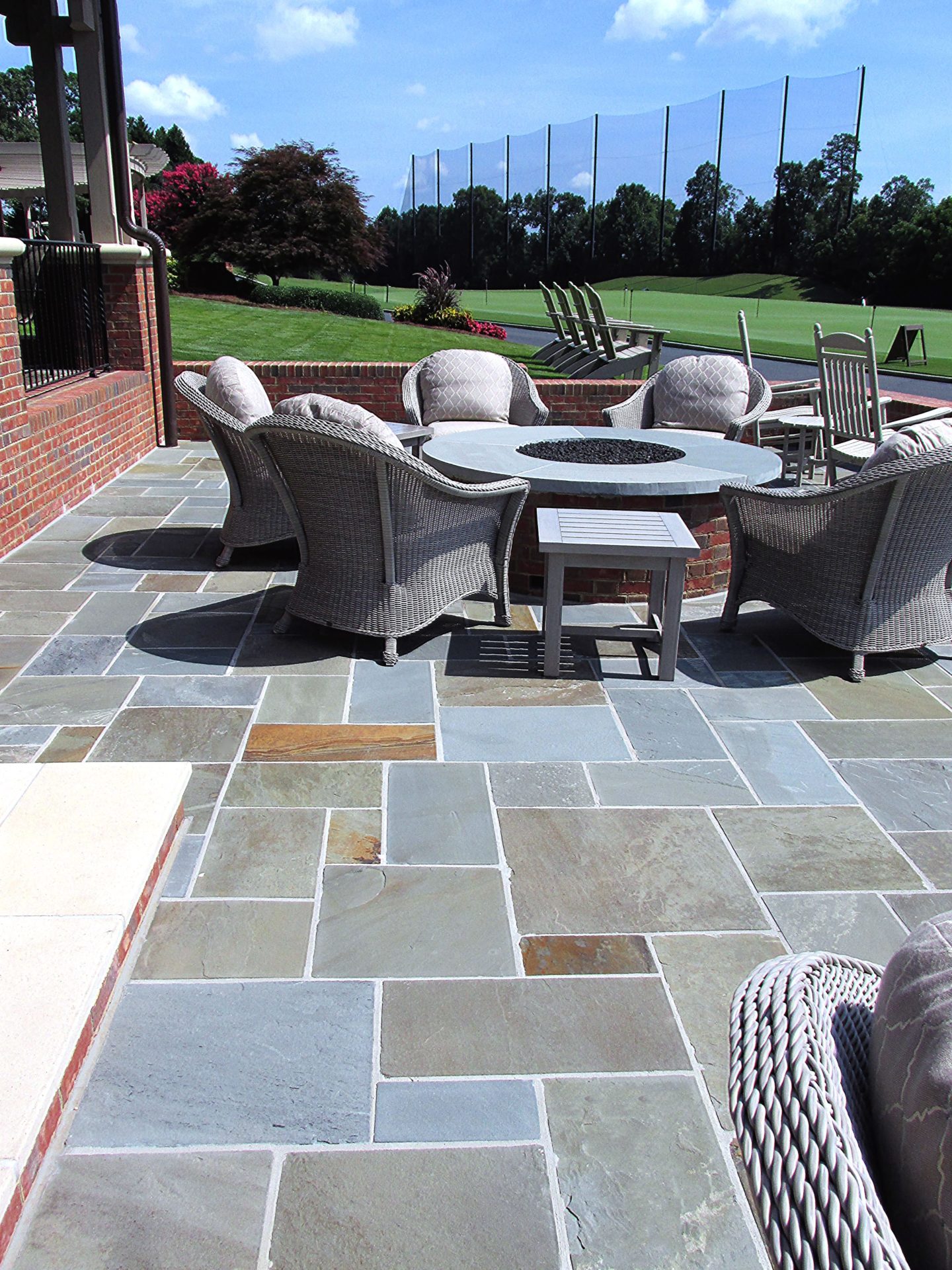
Stamped concrete has become my most popular recommendation for outdoor flooring because it offers the appearance of premium materials at a fraction of the cost while providing superior durability. I love working with ashlar slate patterns that create sophisticated surfaces resembling natural stone installations, complete with realistic texture variations and joint patterns that fool even discerning observers. The key to successful stamped concrete lies in timing the stamping process perfectly when concrete reaches the right consistency for clean impressions without tearing or distortion.
Stone and brick patterns provide timeless appeal that complements both traditional and contemporary architectural styles, and I’ve perfected techniques for creating convincing reproductions of these classic materials. European fan patterns work beautifully for formal courtyards and entryways, while random stone textures suit casual patio applications where natural, organic appearances are desired. The color integration possibilities are endless, allowing custom combinations that match existing hardscape or create dramatic contrasts that define outdoor living zones.
Wood plank stamping has gained tremendous popularity for clients seeking the warmth of wood decking without the maintenance headaches of natural materials. I use specialized stamps that create convincing wood grain textures, complete with knots and natural imperfections that replicate authentic lumber appearances. These installations work particularly well around pools and spas where traditional wood might rot or warp, providing slip-resistant surfaces that maintain their beauty despite constant moisture exposure and temperature fluctuations.
Decorative Aggregate and Exposed Finishes
Exposed aggregate concrete creates naturally slip-resistant surfaces with distinctive textures that showcase decorative stones, pebbles, and aggregates selected to complement surrounding landscapes. I source aggregates from local suppliers to create region-appropriate appearances while controlling costs, often incorporating river rocks, crushed granite, or recycled glass that adds sparkle and visual interest. The exposure process requires careful timing and technique to reveal aggregate properly without compromising surface integrity or creating uneven textures.
Seeded aggregate applications allow even more design control by broadcasting decorative materials onto fresh concrete surfaces before finishing, creating custom appearances that incorporate specific colors, sizes, and material types. I’ve created stunning surfaces using colored glass chips, polished stones, and even metallic elements that create unique signatures for discerning homeowners. This technique works particularly well for pool decks and entertainment areas where distinctive surfaces enhance the overall design aesthetic while providing practical functionality.
The finishing process determines both appearance and performance of aggregate surfaces, requiring skilled technique to achieve uniform exposure without over-washing that could weaken the surface matrix. I use specialized retarders and controlled washing techniques that reveal aggregate gradually while maintaining concrete strength and durability. Proper sealing protects the surface while enhancing color depth and making maintenance easier over the long term, particularly important for outdoor applications exposed to weather extremes.

Staining and Color Integration Techniques
Acid staining creates organic, variegated colors that penetrate deeply into concrete surfaces, producing permanent color changes that won’t fade or peel over time like surface-applied coatings. I particularly love working with earth tones like terra cotta, amber, and sage green that complement natural outdoor environments while creating sophisticated surfaces that improve with weathering. The unpredictable nature of acid staining produces unique results on every project, ensuring one-of-a-kind surfaces that cannot be duplicated exactly.
Water-based stains offer more predictable color results and broader palette options when clients desire specific hues or brighter colors that aren’t achievable with acid-based products. These stains work particularly well for contemporary applications where precise color matching or vibrant accents enhance modern landscape designs. I often combine different stain types in single projects to achieve complex color relationships that create depth and visual interest across large outdoor surfaces.
Integral color mixing provides the most consistent color results by adding pigments directly to concrete during batching, creating uniform appearances that extend throughout the slab thickness. This approach works well when weather exposure might fade surface-applied colors over time, ensuring color permanence that maintains appearance for decades. I use integral coloring for high-visibility applications where color consistency is critical and for projects where future repairs might require color matching that surface treatments cannot provide reliably.

Polished and Sealed Surface Options
Polished concrete transforms outdoor surfaces into sophisticated, low-maintenance floors that reflect light beautifully while providing smooth, durable surfaces ideal for entertaining areas and formal courtyards. I use diamond grinding systems to progressively refine concrete surfaces, achieving mirror-like finishes that showcase aggregate and color work while creating luxurious appearances rivaling expensive stone installations. The densification process strengthens concrete while reducing porosity that could allow water penetration and freeze-thaw damage.
Sealed concrete surfaces provide protection against stains, moisture penetration, and UV damage while enhancing colors and textures that define decorative concrete installations. I select sealers based on desired appearance and performance requirements, using penetrating products for natural appearances or film-forming sealers for enhanced color depth and gloss levels. Proper sealer application requires clean, properly prepared surfaces and appropriate environmental conditions for optimal bonding and performance.
Maintenance requirements vary significantly between different surface treatments, and I always educate clients about care procedures that preserve their investments. Polished surfaces typically require periodic resealing and occasional professional maintenance to restore gloss and protection levels. Understanding these requirements from the project’s beginning helps homeowners maintain beautiful outdoor concrete surfaces for decades while avoiding costly repairs or premature replacement that could result from neglect or improper care.
Textured Safety and Slip-Resistant Surfaces
Broom finishes provide economical slip resistance for outdoor concrete surfaces while maintaining clean, uniform appearances that complement various architectural styles. I use different broom textures depending on the desired appearance and slip resistance requirements, from fine textures for decorative areas to coarse finishes for utilitarian applications where maximum traction is essential. The directional pattern of broom finishing can enhance design elements while providing practical functionality for wet conditions.
Salt finishes create distinctive textures by broadcasting rock salt onto fresh concrete surfaces before finishing, then washing out the salt after curing to leave rounded depressions that provide excellent slip resistance. This technique works particularly well around pools and spas, where wet conditions require enhanced traction without sacrificing appearance. I control salt size and distribution to achieve uniform texturing that complements overall design themes while meeting safety requirements.
Specialty additives can be integrated into concrete mixtures or broadcast onto surfaces during finishing to create slip-resistant textures without significantly altering appearance. These products work well when smooth surfaces are desired for aesthetic reasons, but safety concerns require enhanced traction. I use these solutions for transitional areas between different surface types and for clients who prioritize minimal visual impact while addressing slip resistance requirements for liability or family safety considerations.

Design Integration and Pattern Combinations
Border and accent applications allow creative integration of different concrete techniques within single projects, creating visual interest and defining functional zones within outdoor living spaces. I often combine stamped patterns with smooth borders, or use contrasting colors to create geometric designs that enhance architectural elements and landscape features. These approaches provide opportunities for creative expression while maintaining practical functionality and cost-effective construction methods.
Multi-level applications utilize different concrete techniques at various elevations to create dynamic outdoor environments that incorporate seating, planters, and architectural features within cohesive design schemes. I design these complex installations to flow naturally between levels while providing appropriate drainage, structural support, and weather protection. The integration of multiple techniques requires careful planning but produces stunning results that maximize outdoor living potential within available space constraints.
Lighting integration enhances decorative concrete surfaces dramatically, showcasing textures and colors that might be lost during evening hours when outdoor entertaining typically occurs. I plan lighting installations during concrete construction phases, incorporating conduit and fixtures that complement surface treatments while providing appropriate illumination levels for safety and ambiance. LED technology provides energy-efficient solutions that enhance decorative concrete investments while extending usable hours for outdoor living spaces throughout the year.
How long does outdoor decorative concrete take to cure before I can use it?
Basic foot traffic is typically safe after 24-48 hours, but I recommend waiting 7 days before heavy use and 28 days for full curing strength. Weather conditions affect timing significantly, with cold temperatures slowing the process and hot conditions requiring special curing procedures. Sealing should wait until the concrete is fully cured to ensure proper bonding and optimal performance.
Will outdoor concrete crack, and how do I prevent it?
All concrete develops some cracking, but proper design minimizes problems. I use control joints spaced appropriately for slab dimensions, proper reinforcement, and adequate base preparation. Expansion joints accommodate movement between structures. Quality concrete mixes and proper curing reduce cracking risks. When cracks occur, most can be repaired and sealed to maintain appearance and prevent water penetration.

How do I maintain different types of decorative concrete finishes?
Regular cleaning with mild detergents and periodic resealing every 2-3 years maintains most finishes. Stamped concrete needs joint cleaning and sealer renewal. Stained surfaces may require color touch-ups over time. Polished concrete needs professional maintenance every few years. I provide specific care instructions for each finish type and recommend professional maintenance schedules based on local climate conditions.
Can decorative concrete withstand freeze-thaw cycles in cold climates?
Yes, when properly designed and constructed with appropriate concrete mixes, air entrainment, and drainage systems. I use specialized additives for freeze-thaw resistance and ensure proper slope for water drainage. Sealing becomes critical in freeze climates to prevent water penetration. Regular maintenance and prompt repair of any damage helps prevent freeze-thaw problems from developing.

What’s the cost difference between decorative concrete and natural materials?
Decorative concrete typically costs 50-70% less than equivalent natural stone or brick installations while offering superior durability and lower maintenance requirements. Basic stamped concrete runs $8-15 per square foot installed, while natural stone might cost $15-30+. Consider long-term maintenance costs and replacement frequency when comparing options. Concrete’s versatility often provides better value over time.
How do I choose the right decorative concrete technique for my project?
Consider your budget, desired appearance, maintenance willingness, and climate conditions. Stamped concrete suits traditional styles and provides versatile pattern options. Staining works well for contemporary designs and natural color preferences. Exposed aggregate offers durability and slip resistance for high-traffic areas. I recommend viewing samples and existing installations before making final decisions.

Concrete patio ideas: 11 poured, paved and polished concrete
Outdoor Flooring Ideas That Will Rejuvenate Your Backyard Space
Related Posts:
- Outdoor Concrete Flooring Ideas
- Concrete Floor Polishing
- Interior Concrete Floor Paint Ideas
- Concrete Floor Epoxy Crack Filler
- Concrete Floor Basement Ideas
- Painting Concrete Floor With Epoxy
- Outdoor Concrete Floor Paint Ideas
- Concrete Floor Painting Tips
- Outdoor Concrete Floor Finishes
- Non Slip Concrete Floor