A heaving basement floor is a common but serious issue that can lead to structural problems, uneven surfaces, and moisture damage. Unlike settling, which causes floors to sink, heaving occurs when the floor pushes upward due to pressure from beneath. This is often caused by expansive soil, frost action, or hydrostatic pressure. Left untreated, it can crack walls, damage plumbing, and create tripping hazards. Understanding the causes and repair methods is essential for maintaining a stable and safe basement.
Common Causes of Basement Floor Heaving
Expansive clay soil is one of the leading causes of basement floor heaving. This type of soil absorbs moisture and swells, exerting upward pressure on the concrete slab. During dry periods, the soil shrinks, creating gaps that allow further movement. Over time, this cycle of expansion and contraction can lift sections of the floor. Homes built on clay-rich soil are particularly vulnerable, especially if proper drainage wasn’t installed during construction.
Frost heave is another major factor in colder climates. When groundwater beneath the basement freezes, it expands and pushes the floor upward. Poor insulation or a lack of a proper vapor barrier can worsen this issue. Once the ice melts, the floor may not fully settle back into place, leading to permanent unevenness. This problem is most common in regions with deep frost lines and inadequate foundation insulation.
Hydrostatic pressure from poor drainage can also cause basement floors to heave. If water pools around the foundation due to clogged gutters, improper grading, or a high water table, it creates pressure that lifts the slab. Over time, this can crack the floor and weaken the foundation. Installing proper drainage systems, such as French drains or sump pumps, can help prevent this type of damage.
Signs Your Basement Floor Is Heaving
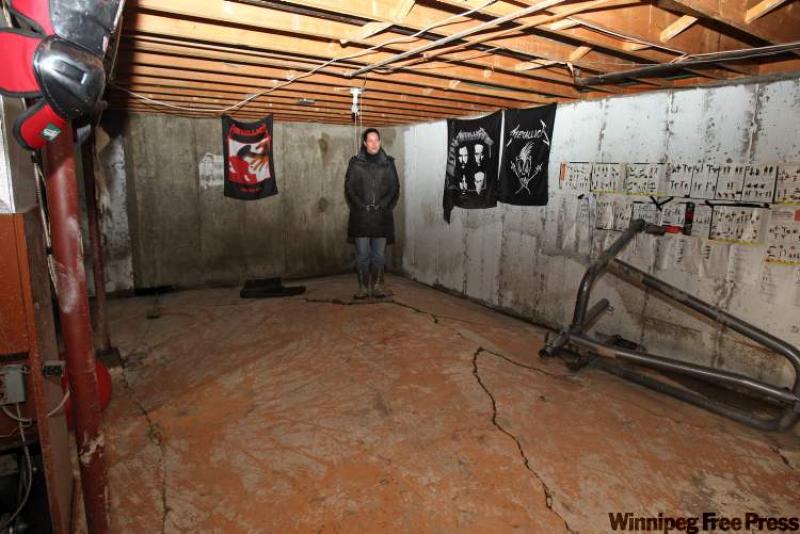
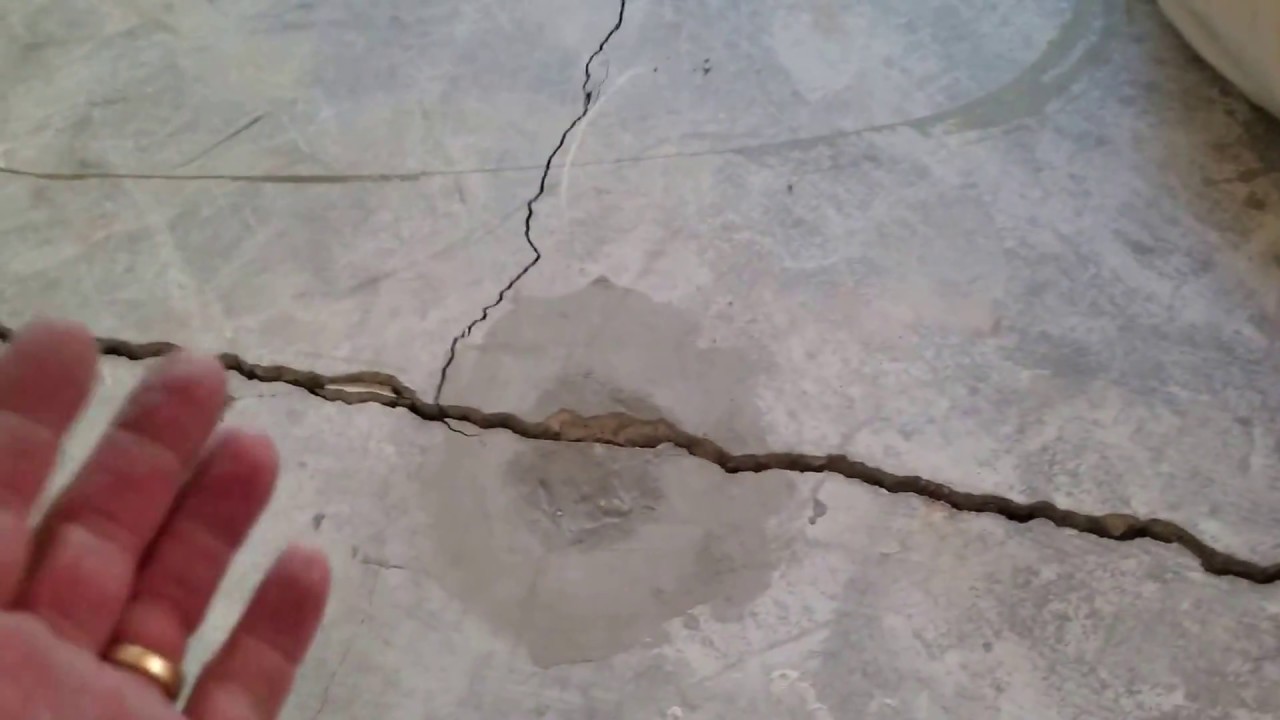
Visible cracks in the basement floor are one of the earliest signs of heaving. These cracks may start small but can widen over time, especially if the underlying soil continues to shift. Diagonal or stair-step cracks in the walls may also appear as the floor pushes upward, indicating structural stress. Monitoring these cracks helps determine whether the problem is worsening and requires professional intervention.
Uneven flooring is another clear indicator of heaving. If the floor feels sloped or has noticeable high spots, it likely means part of the slab has lifted. Doors and windows may also stick or fail to close properly due to the shifting foundation. In severe cases, gaps can form between the floor and walls, allowing moisture and pests to enter the basement.
Water seepage often accompanies floor heaving, as cracks allow groundwater to penetrate. Damp spots, mold growth, or a musty odor suggest that moisture is entering through damaged areas. Since water exacerbates soil expansion, ignoring these signs can lead to further heaving. Addressing drainage issues early can prevent more extensive and costly repairs later.
Repair Methods for a Heaving Basement Floor
Mudjacking is a common repair technique for sunken or slightly heaved floors. This process involves drilling small holes in the concrete and pumping a slurry mixture (usually cement, sand, and water) beneath the slab to lift and stabilize it. Mudjacking is cost-effective and works well for minor heaving, but it may not be a permanent solution if soil conditions remain unstable.
For more severe cases, foam jacking (polyurethane injection) is a modern alternative. A high-density foam is injected under the slab, expanding to fill voids and lift the floor. This method is lighter than mudjacking and less invasive, with smaller holes required. The foam also resists moisture, reducing the risk of future heaving. However, it tends to be more expensive than traditional mudjacking.
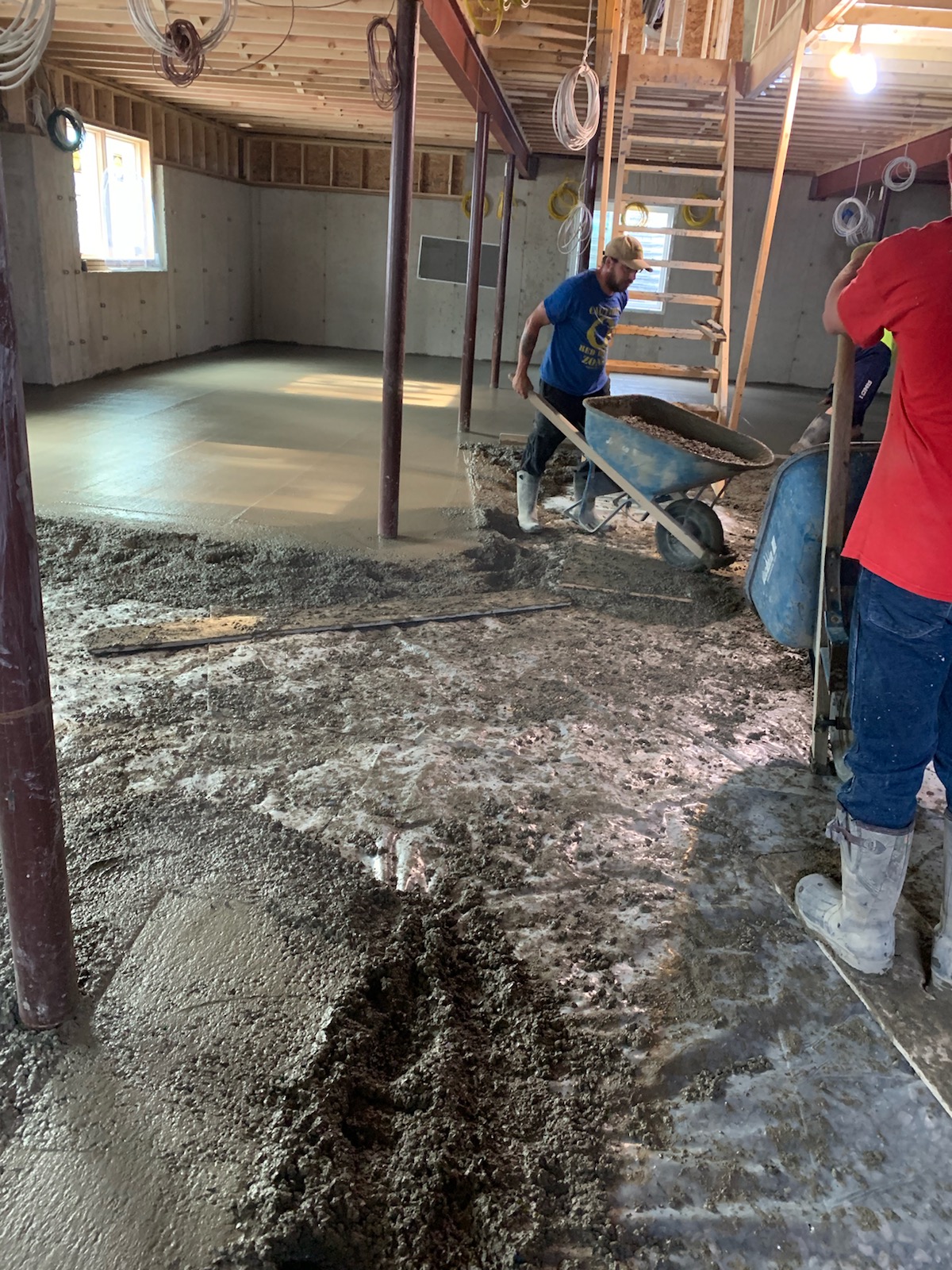
In extreme situations, complete floor replacement may be necessary. This involves breaking up and removing the damaged slab, addressing underlying soil or drainage issues, and pouring a new reinforced concrete floor. While costly and time-consuming, this method provides a long-term solution, especially when combined with proper waterproofing and soil stabilization measures.

Preventing Future Basement Floor Heaving
Proper drainage is the most effective way to prevent basement floor heaving. Ensuring downspouts direct water away from the foundation, maintaining a slope in the yard, and installing French drains can reduce hydrostatic pressure. A sump pump with a backup system is also useful in areas with high water tables, as it prevents water from pooling under the slab.
Soil stabilization techniques can minimize expansion and contraction. Adding a layer of granular fill (such as gravel) beneath the slab improves drainage and reduces soil movement. In some cases, chemical soil stabilizers can be injected to bind clay particles and limit swelling. Consulting a geotechnical engineer can help determine the best approach for your property.
Insulating the basement perimeter helps prevent frost heave in cold climates. A properly installed vapor barrier and rigid foam insulation around the foundation reduce temperature fluctuations that cause freezing and thawing cycles. Keeping the basement climate-controlled also helps maintain stable soil conditions year-round.

When to Call a Professional for Heaving Repairs
If cracks are widening rapidly or walls are bowing, professional assessment is necessary. Structural engineers can evaluate the severity of the heaving and recommend appropriate repairs. Ignoring major shifts can lead to foundation failure, making early intervention crucial.
Persistent moisture problems despite DIY fixes also warrant expert help. Waterproofing specialists can identify hidden drainage issues and install systems to keep the basement dry. Since ongoing water exposure worsens heaving, professional solutions may save money in the long run.
For homes with recurring heaving, a geotechnical engineer can analyze soil composition and suggest stabilization methods. Custom solutions like deep soil amendments or specialized drainage systems may be required for long-term stability. Investing in professional expertise ensures the repair lasts and prevents future damage.

Cost Considerations for Basement Floor Repairs
Mudjacking typically costs between 6 per square foot, making it an affordable option for minor heaving. Foam jacking ranges from 5to25 per square foot, depending on materials and accessibility. While more expensive, its durability and resistance to moisture often justify the higher price.
Full floor replacement can cost 5,000 to 15,000 or more, depending on basement size and labor. Additional expenses may include soil stabilization, waterproofing, and permits. Although costly, this option is sometimes the only permanent fix for severely damaged slabs.
Preventative measures like drainage improvements or soil treatments may add 1,000to5,000 upfront but can avoid far costlier repairs later. Weighing short-term expenses against long-term benefits helps homeowners make informed decisions.

What causes a basement floor to heave?
Basement floor heaving is primarily caused by expansive soil, frost action, or hydrostatic pressure. Expansive clay soil swells when wet and shrinks when dry, pushing the slab upward over time. In cold climates, frozen groundwater expands, creating frost heave. Poor drainage can also lead to hydrostatic pressure, where water buildup lifts the floor. Identifying the exact cause is crucial for effective repairs.
Can I repair a heaved basement floor myself?
Minor cracks can be filled with epoxy or concrete sealant, but significant heaving usually requires professional help. Mudjacking and foam injection need specialized equipment, and improper lifting can worsen damage. DIY drainage fixes (like extending downspouts) may help, but persistent heaving should be assessed by a foundation expert to prevent structural issues.
How much does it cost to fix a heaved basement floor?
Repair costs vary based on method and severity. Mudjacking averages 3–6 per square foot, while foam jacking costs 5–25 per square foot. Full slab replacement ranges from 5,000to15,000. Preventative measures like drainage systems or soil stabilization add 1,000–5,000. Getting multiple quotes ensures a fair price for your specific situation.
How can I prevent my basement floor from heaving?
Improving drainage is key—ensure downspouts divert water away from the foundation and grade soil to slope outward. Installing a sump pump or French drain helps manage groundwater. Insulating the basement perimeter reduces frost heave, and soil stabilization (like gravel layers) minimizes expansion. Regular inspections catch early signs before major damage occurs.

Is a heaved basement floor a structural danger?
It can be. Severe heaving may crack walls, misalign doors/windows, or compromise plumbing. If left unchecked, it can weaken the foundation over time. Small, stable cracks may not pose immediate risks, but progressive lifting or wall damage requires professional evaluation to prevent costly structural failures.
How long do basement floor repairs last?
Mudjacking lasts 5–10 years, while foam injections often exceed 10+ years due to their moisture resistance. Full slab replacements can last decades if proper drainage and soil conditions are maintained. Preventative measures extend longevity, but ongoing monitoring is essential, especially in problem areas with expansive soil or high water tables.

Basement Floor Heaving Up
Related Posts: