Laminate flooring has become a popular option for kitchens due to its affordability, durability, and wide range of design choices. Unlike hardwood or tile, laminate offers a cost-effective way to achieve a high-end look without the high maintenance. It resists scratches, stains, and moisture when properly installed, making it suitable for busy kitchens. Homeowners appreciate its easy installation and the ability to mimic natural materials like wood or stone. However, selecting the right type and ensuring proper care are key to maximizing its lifespan in a high-traffic area like the kitchen.
Benefits of Laminate Flooring in the Kitchen
Laminate flooring is an excellent choice for kitchens because it combines durability with aesthetic appeal. Its wear layer protects against scratches, spills, and daily wear, making it ideal for families and frequent cooking. Unlike hardwood, laminate doesn’t require refinishing, saving time and money on upkeep. Additionally, modern laminate options feature realistic textures and patterns that closely resemble natural wood or stone, allowing homeowners to achieve a high-end look without the cost.
Another advantage is its moisture resistance when properly sealed. While not completely waterproof, many laminate products now come with water-resistant coatings that help prevent damage from spills. This makes it a more practical option than traditional hardwood in areas prone to splashes. Installation is also simpler compared to tile or hardwood, often featuring click-lock systems that allow for floating floors without glue or nails.
Budget-conscious homeowners will appreciate laminate’s affordability. It provides the visual appeal of premium materials at a fraction of the price, making it a smart investment for kitchen renovations. Since it’s easy to clean with regular sweeping and occasional mopping, maintenance is hassle-free. For those who want a stylish yet practical kitchen floor, laminate offers the best of both worlds.
Choosing the Right Laminate for Your Kitchen
Not all laminate flooring is created equal, so selecting the right type for a kitchen is crucial. Look for products with an AC (Abrasion Class) rating of at least AC3 or higher, as these are designed for residential use in high-traffic areas. A thicker wear layer (10-12mm) provides better durability and sound insulation, which is important in a kitchen where dropped utensils and foot traffic are common.
Water resistance is another key factor. While no laminate is entirely waterproof, options with moisture-resistant cores and sealed edges offer better protection against spills. Some brands even offer waterproof laminate, which uses a rigid core material like stone plastic composite (SPC) for added stability. Textured finishes can also improve slip resistance, an important safety feature in kitchens where spills happen frequently.
Style and color should complement the kitchen’s overall design. Lighter shades can make small kitchens appear larger, while darker tones add warmth and sophistication. Wood-look laminates with realistic grain patterns create a timeless aesthetic, while tile-look options provide a modern, sleek appearance. Always request samples to see how the flooring looks under different lighting conditions before making a final decision.

Installation Tips for Laminate in Kitchens
Proper installation is essential for ensuring laminate flooring performs well in a kitchen environment. Before beginning, the subfloor must be clean, dry, and level to prevent uneven wear or buckling. Moisture barriers or underlayment should be used to protect against humidity, especially in homes with concrete subfloors. Allowing the laminate planks to acclimate to the room’s temperature and humidity for at least 48 hours prevents expansion or contraction after installation.
A floating floor installation is the most common method for laminate, as it allows the flooring to expand and contract with temperature changes. Click-lock systems make this process straightforward, even for DIY enthusiasts. However, leaving an expansion gap around the edges (usually ¼ inch) is critical to prevent warping. Transition strips should be used where the laminate meets other flooring types, such as tile or carpet, to ensure a seamless look.
For kitchens, it’s best to avoid installing laminate under heavy appliances like refrigerators or dishwashers, as these can restrict movement and cause damage. Instead, place them on top of the flooring or use appliance rollers for easier access. If water exposure is a major concern, applying a waterproof sealant along the seams can provide extra protection against spills and leaks.

Maintenance and Care for Laminate Kitchen Floors
Keeping laminate floors in good condition requires simple but consistent care. Sweeping or vacuuming daily prevents dirt and grit from scratching the surface. A microfiber mop dampened with water or a laminate-specific cleaner is ideal for routine mopping, as excessive water can seep into seams and cause swelling. Avoid steam mops, as the heat and moisture can damage the protective wear layer over time.
Immediate cleanup of spills is crucial to prevent water damage. While modern laminates are more moisture-resistant, prolonged exposure can still cause warping or peeling. Placing mats near sinks and high-spill areas adds an extra layer of protection. Felt pads under furniture legs prevent scratches when chairs or tables are moved, maintaining the floor’s appearance.
For deeper cleaning, specialized laminate cleaners are recommended instead of harsh chemicals like bleach or ammonia, which can strip the finish. Minor scratches can be concealed with touch-up kits or colored wax pencils. If damage is extensive, individual planks can often be replaced without redoing the entire floor, making repairs cost-effective and convenient.

Potential Drawbacks of Laminate in Kitchens
While laminate flooring offers many benefits, it’s not without limitations. Unlike tile or luxury vinyl, laminate is not fully waterproof, meaning prolonged exposure to standing water can cause swelling or warping. Kitchens with frequent spills or leaks may require extra precautions, such as area rugs or prompt cleanup routines. Over time, the seams between planks can also trap moisture if not properly sealed, leading to potential damage.
Another drawback is that laminate cannot be refinished like hardwood. Once the wear layer is damaged, the only option is replacement. Heavy impacts from dropped pots or appliances can cause chips or dents, especially in lower-quality laminates. Additionally, while modern laminates mimic natural materials well, they may lack the same warmth and authenticity underfoot compared to real wood or stone.
Noise can also be a concern, as laminate tends to be louder than carpet or cork. Without proper underlayment, footsteps and moving chairs can create an echo effect. However, choosing a thicker underlayment or rugs in high-traffic zones can help mitigate this issue. Despite these drawbacks, many homeowners find laminate’s affordability and versatility outweigh the cons.

Comparing Laminate to Other Kitchen Flooring Options
When deciding on kitchen flooring, it’s helpful to compare laminate to alternatives like hardwood, tile, and vinyl. Hardwood offers timeless beauty but is more expensive and requires refinishing over time. It’s also more susceptible to water damage, making it less ideal for kitchens. Tile is highly durable and waterproof but can be cold underfoot and harder to install. Luxury vinyl plank (LVP) is waterproof and softer than laminate but may lack the same realistic wood-look depth.
Laminate strikes a balance between cost, durability, and aesthetics. It’s more scratch-resistant than hardwood and easier to install than tile. While not as waterproof as vinyl, high-quality laminates with moisture barriers provide sufficient protection for most kitchens. For homeowners who want the look of wood without the upkeep, laminate is a strong contender.
Ultimately, the best choice depends on budget, lifestyle, and design preferences. Those who prioritize affordability and easy maintenance will likely prefer laminate, while those needing fully waterproof floors may lean toward vinyl or tile. Considering long-term wear and daily use will help determine the best fit for any kitchen.
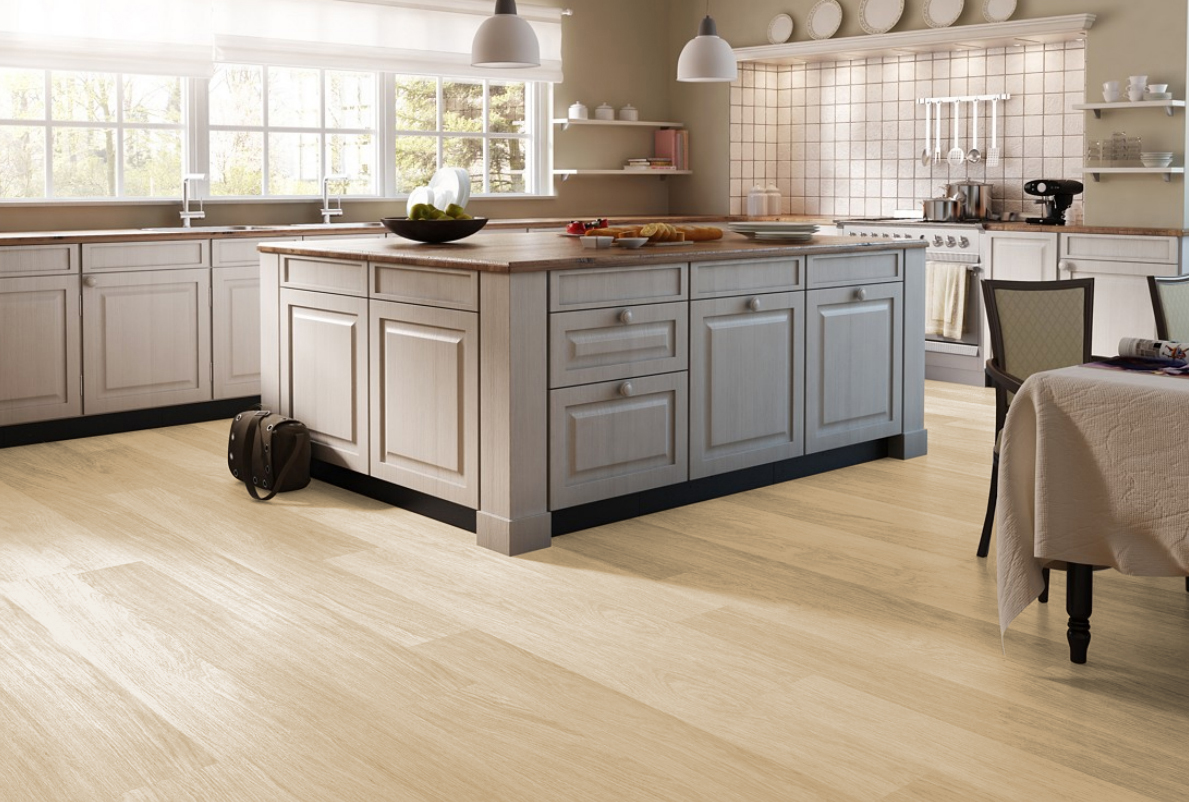
Is laminate flooring a good choice for kitchens?
Yes, laminate flooring is a practical option for kitchens due to its durability, affordability, and resistance to scratches and stains. Modern laminates feature water-resistant coatings that help protect against spills, though they are not entirely waterproof. Proper installation and maintenance, such as wiping up spills quickly and using area rugs in high-moisture zones, can extend its lifespan. Compared to hardwood, laminate is more budget-friendly and easier to maintain, making it a popular choice for busy kitchens.
Can laminate flooring handle water spills in the kitchen?
Laminate can handle occasional spills if cleaned promptly, but it is not completely waterproof. Prolonged exposure to water can cause swelling or warping, especially at the seams. Choosing moisture-resistant or waterproof laminate varieties with sealed edges reduces this risk. Placing mats near sinks and dishwashers helps protect the flooring. For kitchens with frequent spills, luxury vinyl plank (LVP) might be a better option, as it is fully waterproof.

How do I clean and maintain laminate floors in the kitchen?
Regular sweeping or vacuuming removes dirt that can scratch the surface. For mopping, use a damp (not wet) microfiber mop with a laminate-safe cleaner. Avoid steam mops, excessive water, or harsh chemicals like bleach, as these can damage the protective layer. Wipe up spills immediately to prevent moisture from seeping into the seams. Felt pads under furniture legs and area rugs in high-traffic areas help maintain the floor’s appearance over time.
What thickness of laminate is best for kitchens?
A thickness of 10-12mm is ideal for kitchens, as it provides better durability, sound insulation, and stability. Thicker laminate is less prone to dents from dropped items and feels more solid underfoot. The wear layer should have an AC rating of at least AC3 (for residential use) or AC4 (for heavier traffic) to ensure long-term performance in a busy kitchen environment.

Can I install laminate flooring in the kitchen myself?
Yes, many laminate flooring options feature click-lock systems that make DIY installation possible. However, proper preparation is key—ensure the subfloor is level, dry, and clean before installation. Use a moisture barrier if needed, and leave expansion gaps around the edges. While DIY-friendly, hiring a professional ensures optimal results, especially in kitchens where moisture resistance is critical.
How does laminate compare to luxury vinyl plank (LVP) for kitchens?
Laminate and LVP are both popular, but LVP is fully waterproof, making it better for kitchens with frequent spills. Laminate, however, often has more realistic wood-look designs and can be more scratch-resistant. LVP is softer underfoot and quieter, while laminate may feel more rigid. The choice depends on priorities: laminate offers affordability and style, while LVP excels in water resistance and comfort.

Beautiful Kitchens With Wood Laminate Flooring
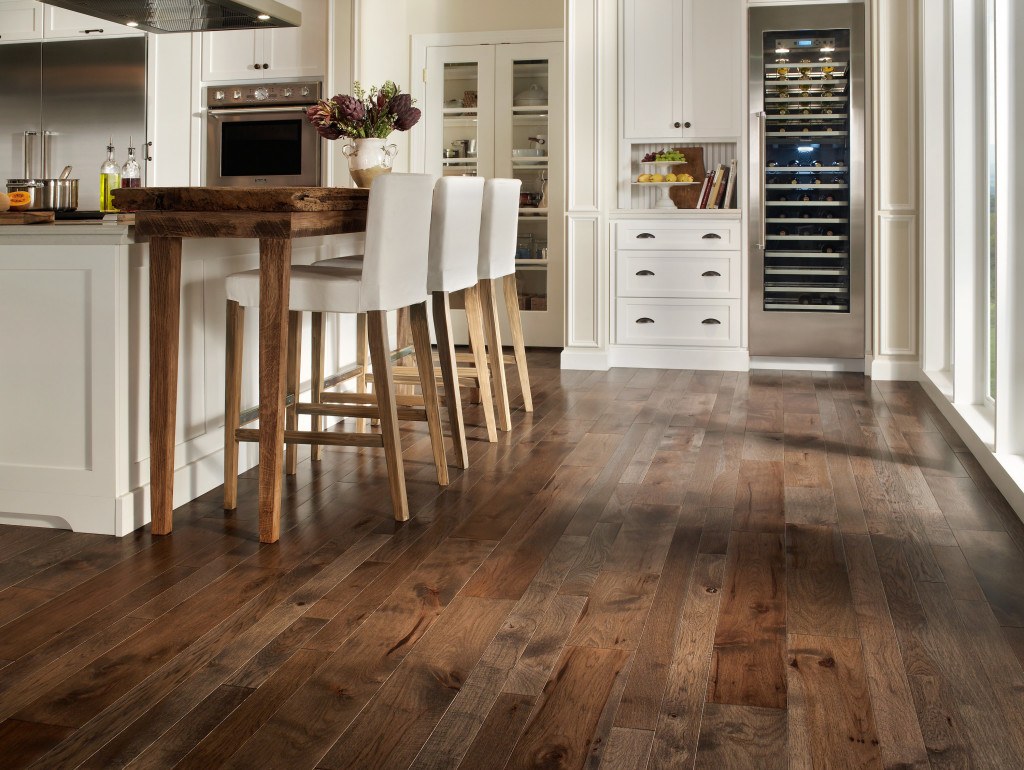
Laminate Flooring in the Kitchen
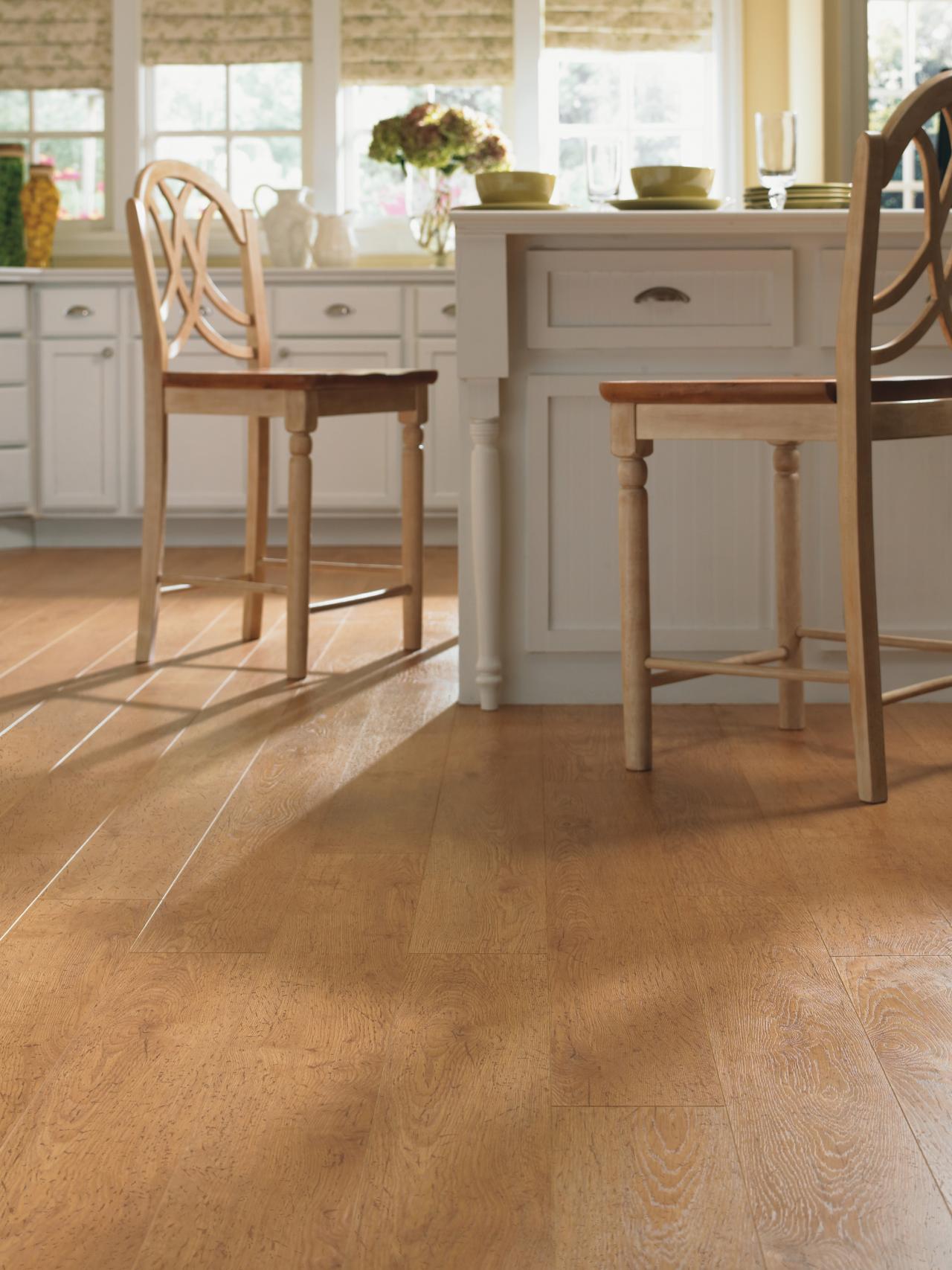
Can You Install Laminate Flooring In The Kitchen?
/Kitchen-laminate-floor-GettyImages-155098316-5895140c5f9b5874ee5f7711.jpg)
Related Posts: