Hey there! Let’s talk about something I recently got into and found super interesting: fast cure epoxy floor coatings. It completely changed how I look at garage floors and even some indoor spaces. It’s not just about making things look shiny; it’s about getting a durable and great-looking surface without waiting forever. I’m excited to share what I’ve learned about this stuff.
The Appeal of Speed in Epoxy Application
For someone like me who’s always eager to get projects done, the fast curing aspect of some epoxy floor coatings is a game-changer. I remember looking into regular epoxy and feeling a bit daunted by the long wait times for each coat to dry. With the fast-cure options, the timeline shrinks considerably. This means I can often complete the entire flooring project in a fraction of the time, which is fantastic when I’m trying to minimize disruption, whether it’s in my garage or even a high-traffic area in my home. It allows me to get back to using the space much quicker, which, if you’re anything like me, is always a top priority.
The reduced downtime isn’t just convenient; it can also be quite practical, especially in commercial settings where every hour of closure can impact business. I was reading about a small shop that used a fast-cure epoxy, and they were able to have their new floor ready for foot traffic and equipment within a single day. This rapid return to service minimizes lost productivity and revenue, making it a smart choice for businesses that can’t afford extended shutdowns. For me at home, it simply means less time navigating around a taped-off area and more time enjoying the finished result.
Beyond the speed of curing itself, I’ve noticed that many fast-cure epoxy systems are designed for easier and quicker application overall. Some formulations have improved flow and leveling properties, which helps me achieve a smoother, more professional-looking finish without as much effort. This is a big plus for a DIYer like me. Additionally, the faster tack-free time often means I can apply subsequent coats sooner, streamlining the entire process. It’s like the whole system is engineered to get the job done efficiently, from start to finish, which I really appreciate.
Enhanced Durability and Resilience
One of the main reasons I considered epoxy coating in the first place was the promise of a tough and long-lasting floor. What I found particularly impressive about the fast-cure varieties is that they don’t seem to compromise on this crucial aspect. In fact, many of these formulations are engineered to achieve their rapid hardening while still delivering excellent resistance to things like impacts, abrasions, and chemical spills. This gives me peace of mind, knowing that the floor I’ve worked on will hold up well to daily wear and tear, whether it’s dropped tools in the garage or accidental spills in a utility room.
I’ve also learned that the quick curing process can sometimes contribute to a denser and more tightly bonded final coating. This enhanced molecular cross-linking can result in a surface that’s less porous and therefore more resistant to staining and the absorption of liquids. For me, this is a significant advantage, especially in areas where spills are more likely. Cleaning becomes much easier, and I don’t have to worry as much about permanent marks. It’s like having an extra layer of protection for my floor, which is a great feeling.
Considering the investment of time and materials that goes into any flooring project, the longevity offered by fast-cure epoxy is a major benefit. Knowing that the coating is designed to withstand heavy use and maintain its integrity over time makes it a worthwhile choice. I’ve seen examples of properly applied epoxy floors lasting for many years, and the advancements in fast-cure technology seem to be building on this durability. It’s not just a quick fix; it’s a long-term solution for a robust and attractive floor surface.
Versatility in Application Environments
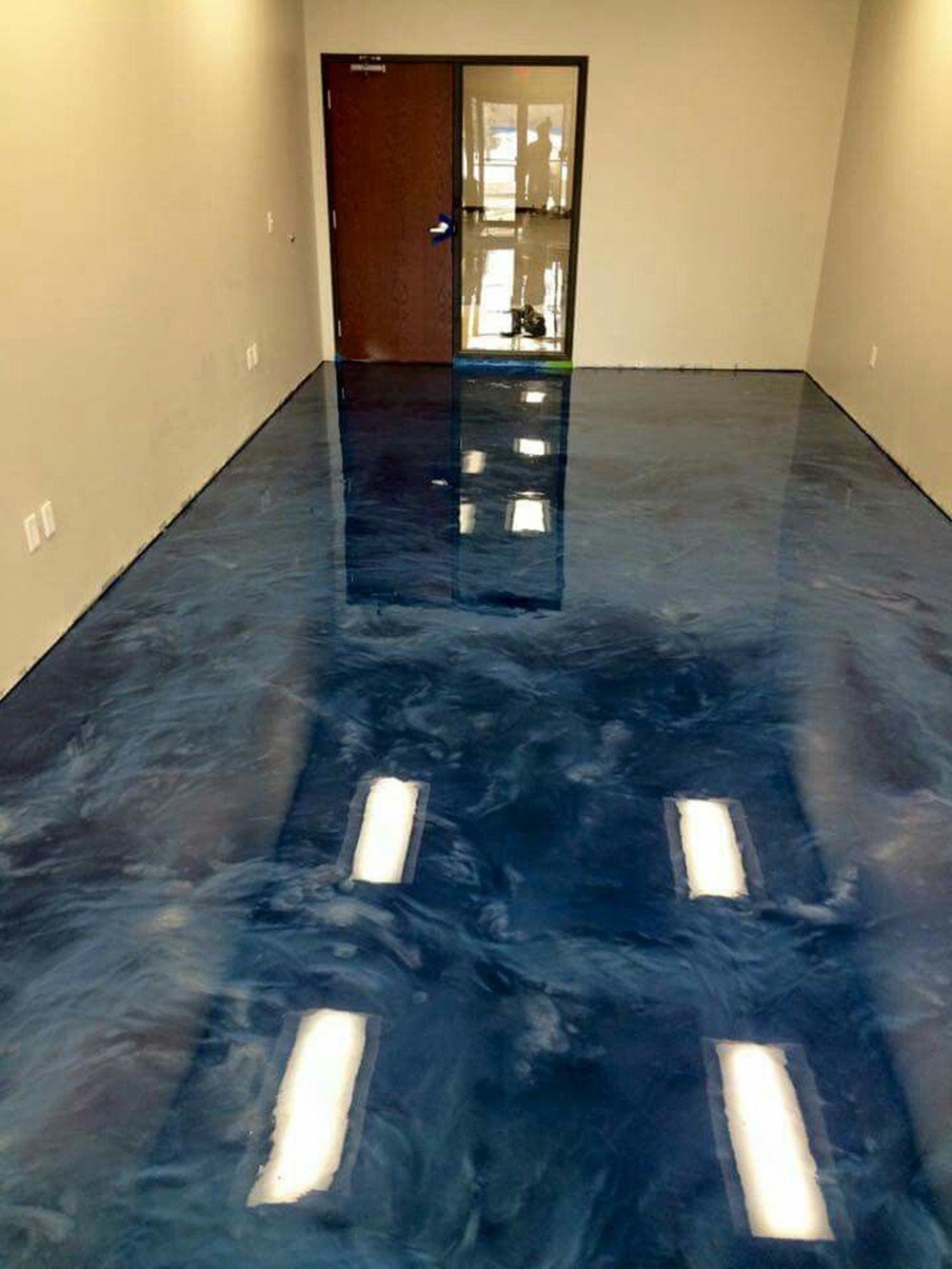
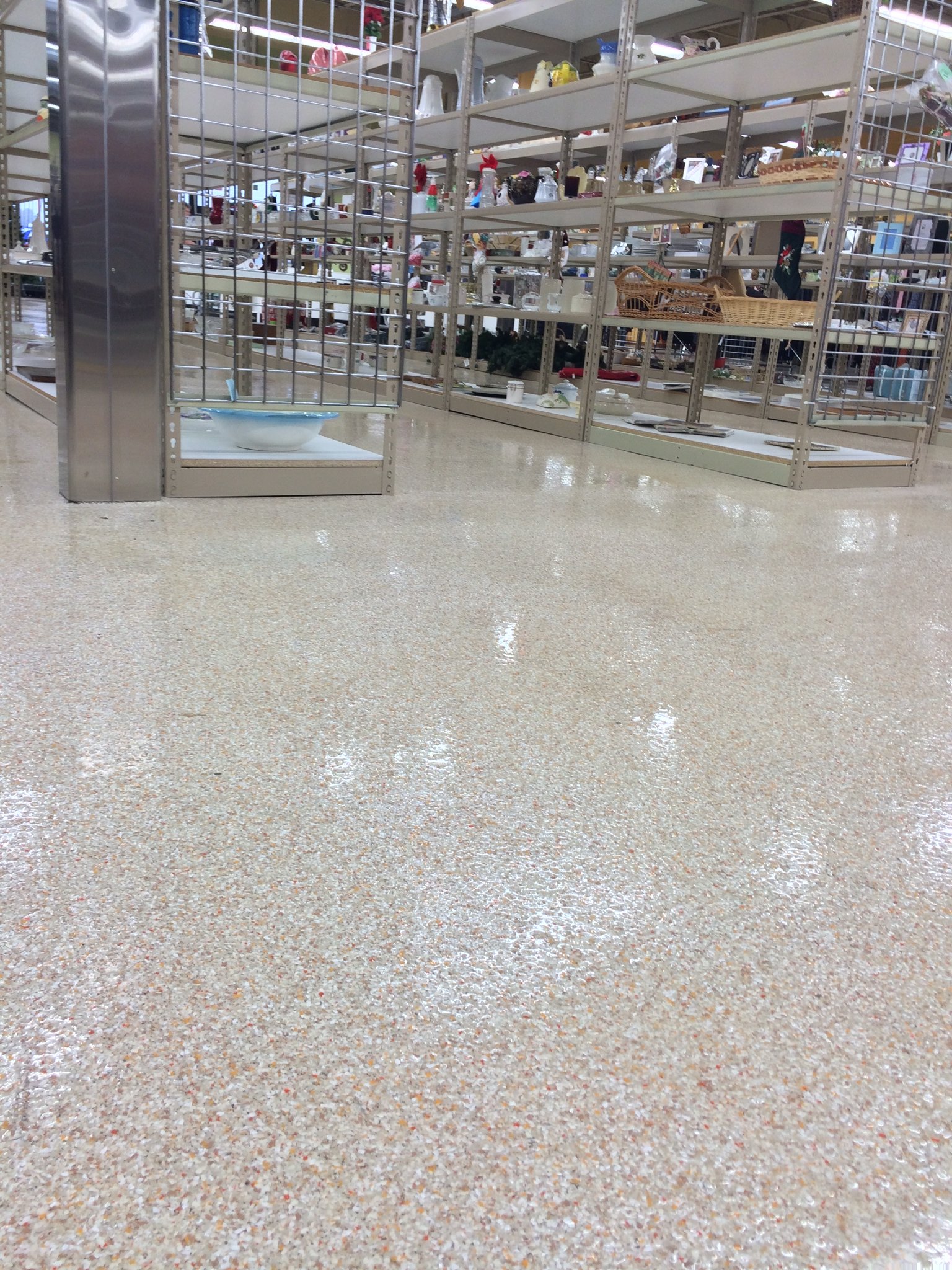
What surprised me most about fast-cure epoxy coatings is how adaptable they are to different situations. I initially thought they were primarily for industrial or garage settings, but I’ve discovered they can be used in a variety of residential and commercial spaces. From workshops and warehouses to retail stores and even some indoor living areas, the quick turnaround time makes them a practical option where minimizing disruption is key. This versatility broadens their appeal and makes them a solution I can consider for more than just one type of project.
I’ve also found that fast-cure epoxies can be formulated with different properties to suit specific environments. For instance, some have added slip resistance for safety in areas prone to wetness, while others might prioritize chemical resistance for laboratories or manufacturing facilities. This ability to tailor the coating to the specific needs of the space adds another layer of value. It’s not a one-size-fits-all solution; it’s a customizable approach to floor protection and aesthetics.
Thinking about my own projects, the fast-cure aspect opens up possibilities for tackling flooring in areas that I might have previously hesitated to do because of the potential downtime. A weekend project in a mudroom, for example, becomes much more feasible with a coating that cures quickly. This adaptability, combined with the performance benefits, makes fast-cure epoxy a compelling option for a wide range of applications, both for professionals and for someone like me tackling home improvements.
Achieving Desired Aesthetics Quickly
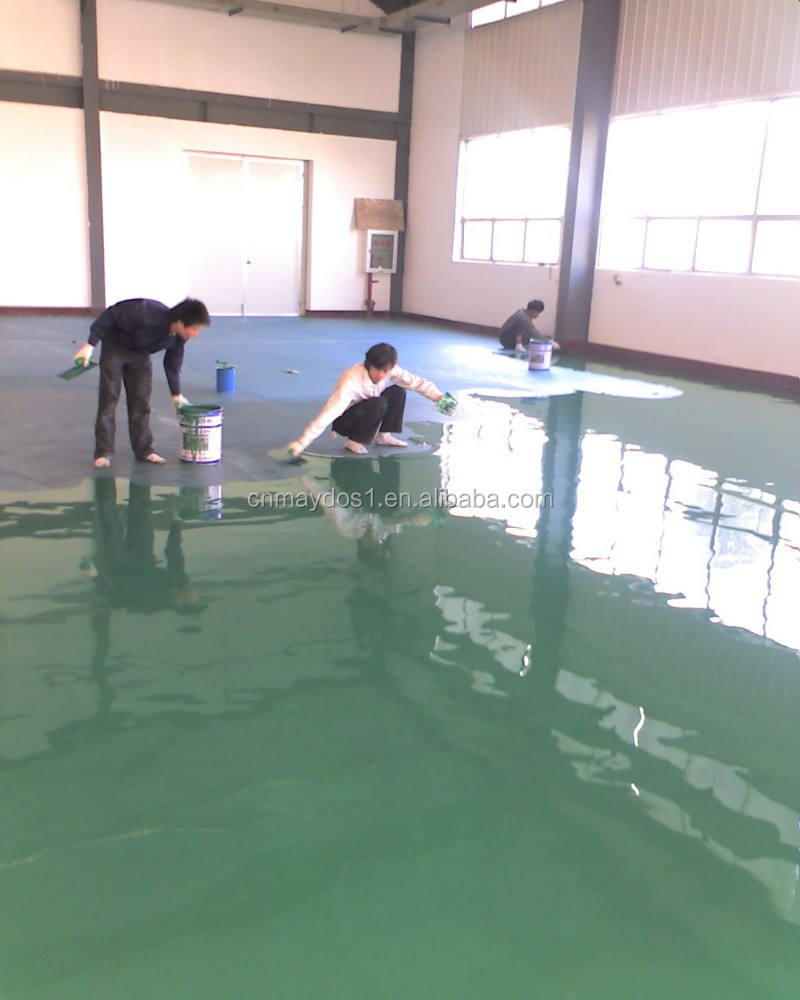
Beyond the practical benefits, I also care about how my floors look. Fast-cure epoxy coatings don’t disappoint in this area either. I was impressed by the variety of colors, finishes, and even decorative options available. Whether I’m aiming for a sleek, solid color in my garage or a more decorative look with flakes or metallic pigments in a workshop space, there are fast-cure systems that can deliver the desired aesthetic relatively quickly. This means I don’t have to sacrifice appearance for speed.
The rapid curing also contributes to a quicker realization of the final look. With traditional epoxy, the longer waiting times between coats can sometimes feel like a drawn-out process. With fast-cure options, I can see the transformation happening much sooner, which is quite satisfying. It keeps my motivation up and allows me to enjoy the newly finished space without a lengthy delay. The ability to achieve a professional-looking floor quickly is a significant advantage for both DIYers and professionals working on tight schedules.
Furthermore, the advancements in fast-cure technology haven’t limited the customization options. I can still choose from a range of gloss levels, from high-shine to a more matte finish, depending on the look I want to achieve. The integration of decorative elements like colored flakes or quartz aggregates can also be done efficiently with these systems. It’s a great feeling to know that I can get a durable, high-performing floor that also looks exactly the way I envisioned, and I can get it done relatively quickly.
Simplified Application Process
As a DIY enthusiast, the ease of application is always a big consideration for me. I’ve found that many fast-cure epoxy systems are designed with the user in mind, often featuring simpler mixing ratios and application techniques. This makes the process less intimidating and more manageable for someone like me who might not have extensive experience with epoxy coatings. Clear instructions and a more forgiving application window (even if the cure time is fast) are definitely appreciated.
The faster tack-free time of these coatings can also simplify the application of multiple coats or decorative elements. It reduces the risk of dust or debris settling into the wet coating and allows for quicker layering, which can contribute to a smoother and more uniform final finish. This is a big plus when I’m trying to achieve a professional-looking result without professional-level skills. The streamlined process minimizes potential errors and makes the whole project feel more achievable.
I also appreciate that the cleanup associated with fast-cure epoxies is often straightforward. Since the materials are designed to cure quickly, any spills or drips can usually be addressed more easily if caught promptly. This reduces the chances of stubborn residue and makes the overall experience less messy. For me, a simpler application and cleanup process means I’m more likely to take on these types of projects with confidence and less apprehension.
Cost-Effectiveness in the Long Run
While the initial cost of fast-cure epoxy might be comparable to or slightly higher than some traditional epoxy systems, I believe the long-term cost-effectiveness is a significant advantage. The enhanced durability and resistance to damage mean that the floor is likely to last longer and require less maintenance or repair over time. This can translate to significant savings in the long run, avoiding the need for premature replacement or frequent upkeep.
The reduced downtime associated with fast-cure epoxies can also contribute to cost savings, especially in commercial or industrial settings. Getting the space back into operation quickly minimizes lost productivity and potential revenue. Even for residential projects, the ability to complete the flooring quickly can save time and reduce inconvenience, which has its own inherent value. It’s about maximizing efficiency and minimizing disruption.
Considering the longevity, durability, and reduced downtime, I see fast-cure epoxy floor coatings as a smart investment. While the upfront cost is a factor, the long-term benefits of a resilient, low-maintenance, and quickly installed floor make it a cost-effective solution for a variety of needs. For me, it’s about getting the best value for my money and time, and fast-cure epoxy seems to deliver on that front.
How much faster is a “fast cure” epoxy compared to regular epoxy floor coatings?
Well, from what I’ve experienced and researched, the term “fast cure” can vary between manufacturers, but generally, it means a significantly reduced curing time. Regular epoxy might take anywhere from 24 to 72 hours or even longer to be fully cured and ready for heavy use. In contrast, fast-cure epoxies can often be ready for foot traffic within a few hours and fully cured for heavier loads within 12 to 24 hours. This rapid turnaround is especially noticeable between coats, allowing for quicker project completion. For me, this difference can turn a multi-day project into something I can often finish in a single day or a weekend.
Are fast-cure epoxy floors as durable as those with a longer curing time?
That’s a really important question, and from my understanding, the fast curing process doesn’t necessarily compromise the final durability. Many fast-cure epoxy formulations are specifically engineered to achieve their rapid hardening while still maintaining excellent resistance to abrasion, chemicals, and impacts. The key lies in the specific resin chemistry and the quality of the product. I’ve found that reputable manufacturers often ensure their fast-cure options meet or even exceed the performance standards of traditional epoxies. So, in my experience, I wouldn’t expect a significant trade-off in durability for the sake of speed.

Can I apply a fast-cure epoxy coating myself, or is it best left to professionals?
Based on my own experience, many fast-cure epoxy systems are designed with DIYers in mind and often feature straightforward application processes. However, like any epoxy project, proper preparation is absolutely crucial for a successful outcome. This includes thoroughly cleaning and prepping the floor, accurately mixing the components, and applying the coating evenly. While the faster cure time can be advantageous for minimizing dust and speeding up the project, it also means you might have a shorter working window. If you’re comfortable with following instructions meticulously and working efficiently, it’s definitely something you can tackle. For larger or more complex projects, or if you’re unsure about any step, getting a professional might be a safer bet to ensure a flawless and long-lasting finish.
What kind of surface preparation is required for fast-cure epoxy?
From what I’ve learned, the surface preparation for fast-cure epoxy is just as critical as it is for any other epoxy coating. The floor needs to be clean, dry, and free of any contaminants like oil, grease, or dust. Any existing coatings or sealers usually need to be removed, and the concrete surface should ideally be porous enough to allow the epoxy to properly adhere. This often involves cleaning, degreasing, and sometimes etching or grinding the concrete to create a suitable profile. I’ve found that taking the time to do this step properly makes a huge difference in the final adhesion and longevity of the coating, regardless of how fast it cures.

Are there any specific safety precautions I need to take when working with fast-cure epoxy?
Yes, absolutely. Just like with any epoxy system, safety is paramount when working with fast-cure coatings. These products typically involve chemical hardeners and resins that can be irritating to the skin, eyes, and respiratory system. I always make sure to wear appropriate personal protective equipment, including gloves, eye protection, and a respirator, especially during mixing and application. Good ventilation is also essential to avoid inhaling fumes. It’s crucial to follow the manufacturer’s safety guidelines and handle the materials responsibly. Even though it cures quickly on the floor, the uncured chemicals still require careful handling.
Are fast-cure epoxy coatings more expensive than traditional ones?
In my experience, the initial cost of fast-cure epoxy coatings can sometimes be slightly higher than some of the more basic, traditional epoxy systems. This can be due to the advanced resin technology required to achieve the rapid curing properties without sacrificing performance. However, when I consider the long-term benefits like reduced downtime, enhanced durability, and potentially lower maintenance, the overall cost-effectiveness can be quite compelling. It really depends on the specific product, the area being coated, and the value you place on the speed and convenience of a faster curing time. I always try to look at the total cost of ownership rather than just the initial price.

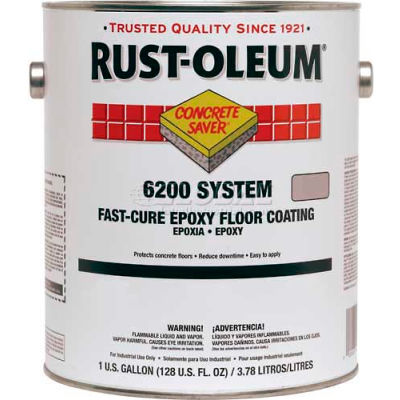
Paint & Accessories Liquid Coatings Rust-Oleum 6200 System
Rust-Oleum® Concrete Saver® 6200 System Fast-Cure Epoxy Floor Coatings – Pressure Solutions

Permatex® – Fast Cure Epoxy

MPC-155 Super Fast Cure Epoxy Resin Kit (3gal)

Related Posts: